
Finding inner balance, grounding, and clarity has become more essential than ever. Yoga, with its deep-rooted origins in India, offers a transformative path toward mental, emotional, and physical harmony. At the heart of yoga lies the practice of asanas, or yoga postures, which are designed not just to stretch the body but to influence multiple systems; the muscles, breath, nervous system, energy, and mind. The science behind asanas reveals why these ancient postures are powerful tools for modern well-being and how they support holistic health.
Asanas stand apart from regular workouts because they merge movement, breath, attention, and awareness into a single harmonious practice. While general exercise often emphasizes muscle activation or calorie burn, yoga postures work simultaneously on strength, flexibility, energy flow, emotional stability, and mental clarity. This integration is what makes the mechanism of yoga postures so impactful. Over time, practitioners cultivate stability, ease, and a deep connection between the body and mind; the true foundation of meditation.
Also Read: Pranam Asana: The Salutation Pose - A Comprehensive Guide
Asanas incorporate controlled stretching that improves physical mobility and reduces muscular tightness gradually and safely. As the body adopts a particular position, the muscles, tendon fibers, and surrounding connective tissues gently lengthen. increasing flexibility over time. This stretching effect not only releases tension but also improves circulation within tissues, helping them remain healthy and resilient. Consistent stretching also supports better movement patterns in daily life, allowing the body to stay fluid rather than stiff. As the muscles lengthen regularly, the body’s posture, alignment, and overall ease improve significantly.
Beyond flexibility, asanas are powerful tools for building strength through steady engagement of muscles. Holding postures requires isometric muscle activation, which strengthens the body without overexertion or impact. This type of strength training increases endurance and improves overall body stability. Over time, the body becomes more toned, balanced, and capable of supporting itself through daily activities. Strength developed through yoga is functional, meaning it improves real-life body mechanics and posture rather than just targeted muscle appearance.
Healthy circulation is essential for transporting oxygen and nutrients throughout the body, and asanas naturally boost this process. When the body moves through bends, stretches, and holds, it activates major muscle groups that stimulate blood flow. Improved circulation speeds healing, nourishes tissues, and enhances overall vitality. Furthermore, these motions help the lymphatic system circulate fluid, a process that is fundamental for the body's ability to detoxify itself and maintain strong immunity. Regular yoga practice helps keep the body energized, nourished, and internally balanced.
Asanas play a powerful role in calming and balancing the nervous system by influencing both physical tension and mental activity. Through mindful movement and breath control, yoga shifts the body from a stressed, reactive state into a state of calm and restoration. This shift activates the parasympathetic nervous system, helping reduce anxiety and mental restlessness. Over time, the practice reduces stress hormones and promotes emotional equilibrium. This balanced state supports mental clarity, improved sleep, and emotional resilience.
Yoga promotes smooth, comfortable joint function by guiding the body through its natural range of motion. Regular movement helps lubricate the joints by stimulating the production of synovial fluid. This prevents stiffness, reduces pain, and minimizes the risk of degenerative issues. Yoga also strengthens the muscles surrounding joints, offering stability and protection. As mobility improves, movements become more effortless and aligned, enhancing daily comfort and movement.
At the heart of yoga lies the principle of awareness: the ability to observe body sensations, breath, and alignment without distraction. Asanas encourage this connection by requiring conscious presence during each movement. This awareness deepens focus, reduces mental clutter, and transforms the physical practice into a meditative experience. The more in-tune you become with your body, the more peacefully the mind begins to behave. This connection strengthens emotional resilience and self-understanding.
Yoga philosophy teaches that prana life force energy flows through the body in subtle channels known as Nadis. Asanas are designed to clear obstructions within these channels to ensure smooth energy movement. When prana flows freely, the body feels lighter, calmer, and more energized. This regulation supports emotional balance, mental clarity, and physical vitality. Proper energy flow is one of the key reasons yoga leaves practitioners feeling refreshed rather than fatigued.
Many people unknowingly store emotional tension in their bodies. Asanas help release this stored energy by engaging muscles and connective tissues mindfully. When tension dissolves, emotional relief often follows naturally. The practice also influences neurotransmitters and hormones that uplift mood and reduce anxiety. Over time, yoga becomes a powerful tool for emotional resilience, clarity, and self-soothing.
Yoga supports healthy digestion by stimulating internal organs and encouraging better metabolic function. Gentle twisting, compressing, and elongating movements promote healthier digestion and reduce discomfort. The parasympathetic activation from yoga also contributes to smoother digestive processes. People with sedentary lifestyles benefit greatly from yoga’s ability to boost gut mobility and reduce bloating.
Yoga enhances confidence by encouraging personal progress and helping individuals build trust in their physical and mental abilities. Each posture you learn or improve becomes a small achievement that contributes to greater self-assurance. Yoga also encourages self-awareness, helping you appreciate your strengths rather than focusing on limitations. This empowering mindset gradually strengthens emotional resilience and self-belief.
Asanas are far more than physical postures; they are a complete system for healing, strengthening, and balancing the human experience. Each posture influences muscles, nerves, organs, energy flow, and mental states, creating a deeply holistic transformation. When practiced consciously, yoga fosters clarity, emotional well-being, inner peace, and physical vitality. The science behind asanas reveals that their transformative power lies in their ability to harmonize the physical and subtle layers of the body. Embrace this ancient practice with mindfulness, and allow each posture to guide you toward a healthier and more grounded life.
Asanas are structured physical postures designed to improve strength, flexibility, balance, and energy flow while preparing the mind for meditation.
Yes. Most postures have beginner-friendly variations, allowing safe and gradual progress.
Practicing 3–5 times per week shows visible improvements in strength, flexibility, and mental clarity.
Absolutely. Asanas reduce cortisol, activate the relaxation response, and calm the mind.
Holding each posture for 20–40 seconds is ideal, depending on comfort and experience.
The practice of yoga is often admired for its physical benefits, but its true essence lies in something far deeper: the awakening of the inner self. While asanas (yoga postures) help strengthen and relax the body, their spiritual purpose is far more profound. Each posture becomes a pathway to self-realization, inner clarity, and a deeper connection with the divine consciousness. Through mindful movement, breath awareness, and intentional stillness, asanas transform from simple exercises into sacred practices that guide the practitioner toward spiritual awakening.
In yogic philosophy, the body is regarded as a revered sanctuary, a conduit for profound spiritual development. Asanas help purify and honor this temple by eliminating tension, increasing mobility, and clearing energetic blockages. Through consistent asana practice, the body becomes a harmonious space where the inner self can thrive and rise toward spiritual awakening.
The physical and spiritual dimensions of yoga are deeply interconnected. Asanas become a form of moving meditation, bridging mind–body connection through breath and awareness. This is beautifully expressed in Yoga Sutra 2.46“Sthira Sukham Asanam”, reminding practitioners that every posture should be steady and comfortable. When this alignment is achieved, a physical posture transforms into a tool for spiritual growth, representing the balance between physical strength and higher consciousness.
In asana practice, the breath becomes a spiritual anchor. Through pranayama, practitioners consciously guide breath to increase prana (life force energy). Every mindful inhalation and exhalation creates meditative flow, calming the mind and deepening spiritual awareness. Synchronizing breath with movement bridges the physical body with universal consciousness, allowing the practitioner to experience profound inner peace.
As practice deepens, it becomes clear that yoga is an inner expedition. The body becomes a compass, guiding the practitioner through emotional, mental, and energetic layers. The challenges of certain yoga asanas mirror challenges in life. Overcoming physical resistance builds mental clarity, emotional strength, and confidence, nurturing the inner journey through yoga and leading toward self-awareness.
'The ego, or the false sense of separation, often limits growth. During asanas, the ego may resist, fear, or compare, but through mindfulness and presence, the ego gradually softens. Asanas teach the practitioner to let go of the ego’s illusions and move closer to the true self, promoting ego dissolution and deeper spiritual transformation.
The essence of yoga is unionmerging the individual consciousness (Jiva) with the universal consciousness (Brahman). Through advanced meditative asanas, practitioners often experience a state of oneness, recognizing the divine essence in themselves and all beings. This is the highest purpose of the yoga journey reconnecting with the universal truth and experiencing deep divine connection.
At advanced stages, asana practice becomes effortless and light, resembling a dance of the soul.The boundaries between the self and universe blur, revealing the true spiritual yoga practice. Here, yoga transcends the physical, allowing practitioners to experience transcendence, higher purpose, and spiritual awakening.
The lessons learned in asana practice naturally extend into daily life. The mindfulness, breath awareness, and intentional movement cultivated on the mat become guiding tools for navigating challenges with grace and equanimity. This is where yoga becomes a lifestyle conscious, grounded, and in harmony with the present moment. This is the essence of living a yoga lifestyle and embodying conscious living.
Viewing asanas from a spiritual lens transforms them into pathways of self-realization, self-transcendence, and inner awakening. This journey moves you from external to internal worlds, from physical identity to higher consciousness, and from ego-driven perception to universal awareness. Asanas are sacred rituals that guide you toward your deepest truththe divine light within and around you.Through each posture, each breath, and each moment of awareness, yoga becomes a powerful channel for inner transformation and spiritual growth, helping you realize your true nature and experience the oneness that defines existence.
To purify the body, calm the mind, and deepen awareness, helping practitioners access inner peace, self-realization, and spiritual growth.
They reveal emotional and mental patterns, helping practitioners overcome limitations and connect with their true inner self.
Yes. Even simple yoga postures practiced with breath and awareness provide profound mental clarity and inner calm.
Through pranayama, breath connects the physical body with life force energy, creating meditative flow and deepening the spiritual experience.
Asanas are a powerful tool, but combined with pranayama, meditation, and mindful living, they lead to holistic spiritual transformation.
In a fast-paced world filled with stress and chaos, finding moments of tranquility and self-reflection is a precious gift. Pranam Asana, often referred to as the Salutation Pose, is a yoga posture that offers just that - a moment of stillness, gratitude, and connection with your inner self. In this comprehensive guide, we will explore the beauty and benefits of Pranam Asana, delve into the precise techniques for its practice, discuss the importance of proper alignment, and identify Individuals who should be careful, or completely avoid it..
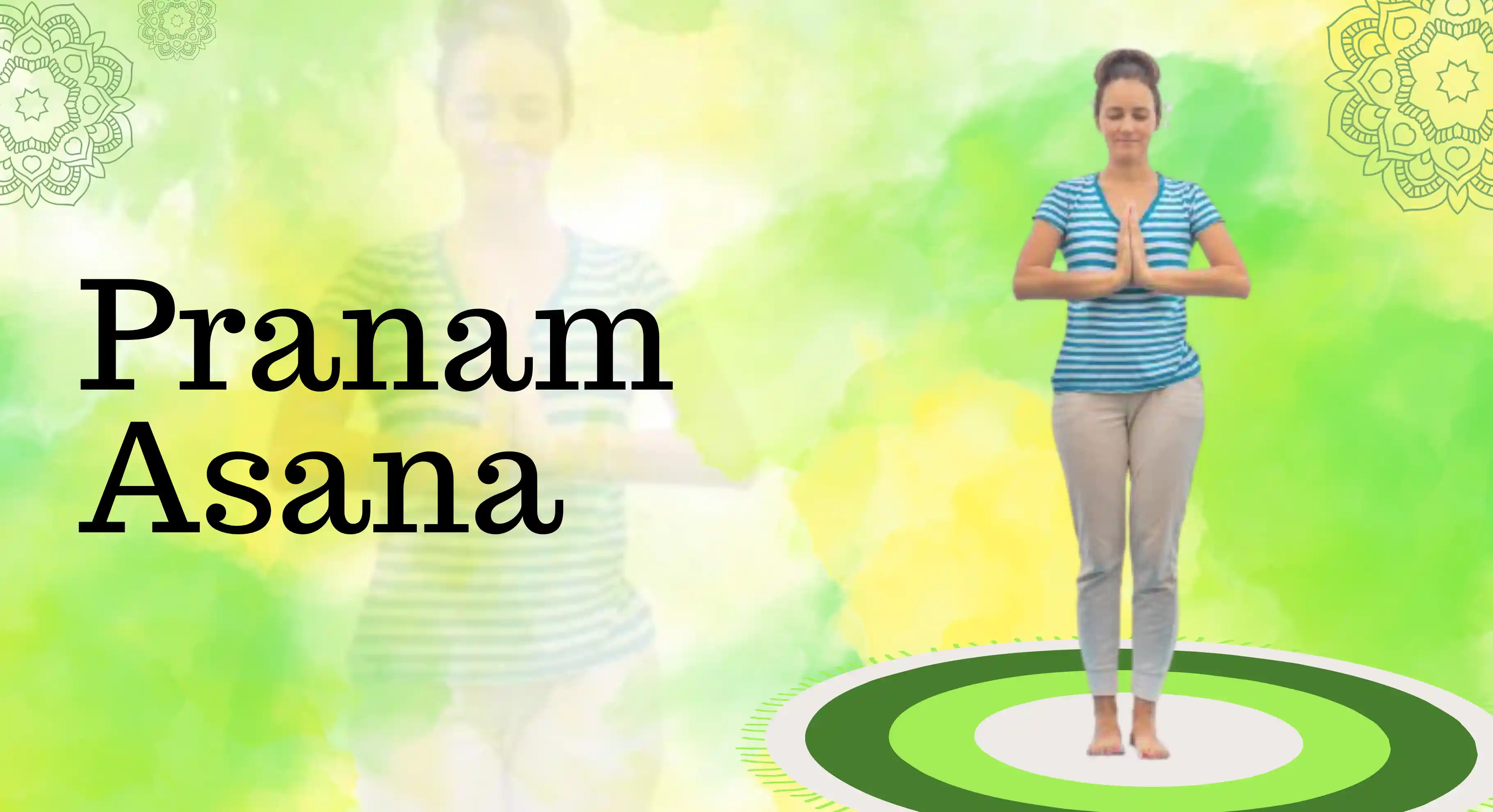
Pranam Asana is a simple yet deeply significant yoga pose. The word “Pranam” means salutation or bowing in reverence, while “Asana” means posture. Together, the pose symbolizes respect, gratitude, and humility. This asana encourages practitioners to pause, look inward, and acknowledge the divine energy within themselves and in the world around them. Because it embraces universal values of reverence and awareness, Pranam Asana is meaningful and accessible to people across all spiritual and cultural backgrounds.
At its heart, Pranam Asana is far more than a physical pose. It is a reflective, meditative practice that can be integrated into daily life. Through this posture, we cultivate humility, inner peace, emotional balance, and a deeper sense of grounding. It gently draws us inward, strengthening our connection with ourselves and fostering a more mindful relationship with the world.
The origins of Pranam Asana trace back to ancient yogic traditions in India. Over thousands of years, yoga has evolved into various schools and methods. Pranam Asana belongs to the broader system of Hatha Yoga, which emphasizes physical postures paired with breath awareness. Even though it has roots in traditional yogic philosophy, the meaning of Pranam Asana transcends specific yoga styles, making it a universally approachable practice for anyone seeking inner harmony.
Pranam Asana offers a wide array of benefits, touching various facets of our physical, mental, and spiritual well-being. Let's explore these benefits in detail:
Pranam Asana can be easily incorporated into your daily routine. Here is a step-by-step guide on how to practice it:
Proper alignment is crucial in any yoga pose to ensure you receive the full range of benefits and avoid strain or injury. Let's delve into the alignment principles of Pranam Asana:
Pranam Asana is generally a gentle and accessible posture, but there are specific situations or conditions in which it may be best to avoid or modify the practice. Here are some considerations:
Pranam Asana is a beautiful and accessible yoga pose that offers a multitude of benefits for those who practice it regularly. Its simplicity and the profound sense of reverence and gratitude it invokes make it a valuable addition to one's daily routine. However, it is essential to approach the practice mindfully, ensuring proper alignment and taking into consideration any specific health or physical conditions that may warrant modifications or the guidance of a qualified instructor or healthcare professional. With this understanding, you can embrace the transformative power of Pranam Asana and experience its manifold advantages in your life.
Pranam Asana helps improve posture, reduce stress, increase mindfulness, enhance flexibility, and promote emotional and spiritual balance.
Yes, it is beginner-friendly and requires no prior yoga experience.
You can hold the bowing position for 5–10 breaths or as long as it feels comfortable.
It can be practiced with modifications. Before engaging in prenatal yoga, make sure to consult with a certified prenatal yoga instructor or a healthcare provid.
Avoid or modify if you have low blood pressure, recent neck/back injuries, or severe knee/hip issues.
In the bustling world we live in, finding moments of peace and tranquility can seem like an elusive dream. However, the ancient practice of yoga, particularly the component known as "asana," offers a pathway to both physical and mental well-being, as well as deeper, mystical, and spiritual dimensions. In this blog, we will delve into the aims and objectives of asana practice, categorizing them into four distinct realms: Physical, Mental, Mystical, and Spiritual. By understanding these facets, you can unlock the full potential of your yoga journey.
Asana practice in yoga is a comprehensive journey that transcends physical fitness and extends into the realms of mental, mystical, and spiritual development. By understanding and embracing the diverse aims and objectives of asana practice, you can tailor your yoga journey to align with your personal goals and aspirations. Whether you seek physical well-being, mental clarity, mystical experiences, or spiritual awakening, asana practice offers the journey toward a life of enhanced balance and inner peace. So, unroll your yoga mat, take a deep breath, and embark on this transformative journey that encompasses the body, mind, soul, and spirit. Namaste!
During the ceaseless activity of our everyday lives, we commonly lose sight of the true value of
something as seemingly simple as sitting or standing correctly. Yet, the way we
position our bodies, known as "Asana," plays a significant role in our overall health
and well-being. Asana is a fundamental concept in yoga, but you don't have to be a
yogi to understand and benefit from it. In this exploration, we'll delve into the world of
Asana in simple terms, learning how it can positively impact our physical health,
mental clarity, and emotional balance.
Asana is a Sanskrit word that translates to "posture" or "pose." It refers to the way we hold and position our bodies. While Asana is a central element of yoga, it is not limited to yoga practitioners. We all engage in various postures throughout the day, whether we're sitting at a desk,whether you are waiting in line, or perhaps even just resting in bed. Asana reminds us that how we hold ourselves matters and can influence our overall well-being.
Have you ever experienced a stiff neck, back pain, or fatigue after sitting for long hours at work or hunching over your smartphone? These discomforts often arise from poor posture. The way we sit, stand, and move can impact our muscles, bones, and internal organs. Here's why right posture matters:
Asana can be divided into various categories, each with its own benefits. Here are some common types of Asana and their advantages:
You don't need to attend a yoga class to benefit from Asana. Here's how you can incorporate it into your daily life:
In conclusion, Asana emerges as a remarkably effective practice for enhancing physical well-being, sharpening mental focus, and cultivating emotional stability.. By paying attention to your posture and making simple adjustments in your daily life, you can experience the benefits of improved spinal health, reduced muscle discomfort, better breathing, enhanced digestion, and increased self-confidence. Asana reminds us that the way we carry ourselves matters, not just for our physical well-being but for our overall quality of life. So, stand tall, sit straight, and let Asana guide you towards a healthier and more balanced existence.
Kapotasana, commonly known as Pigeon Pose, is a revered yoga posture that embodies strength, flexibility, and balance. This asana involves a deep backbend, often practiced as part of a yoga sequence or in isolation for its myriad benefits.
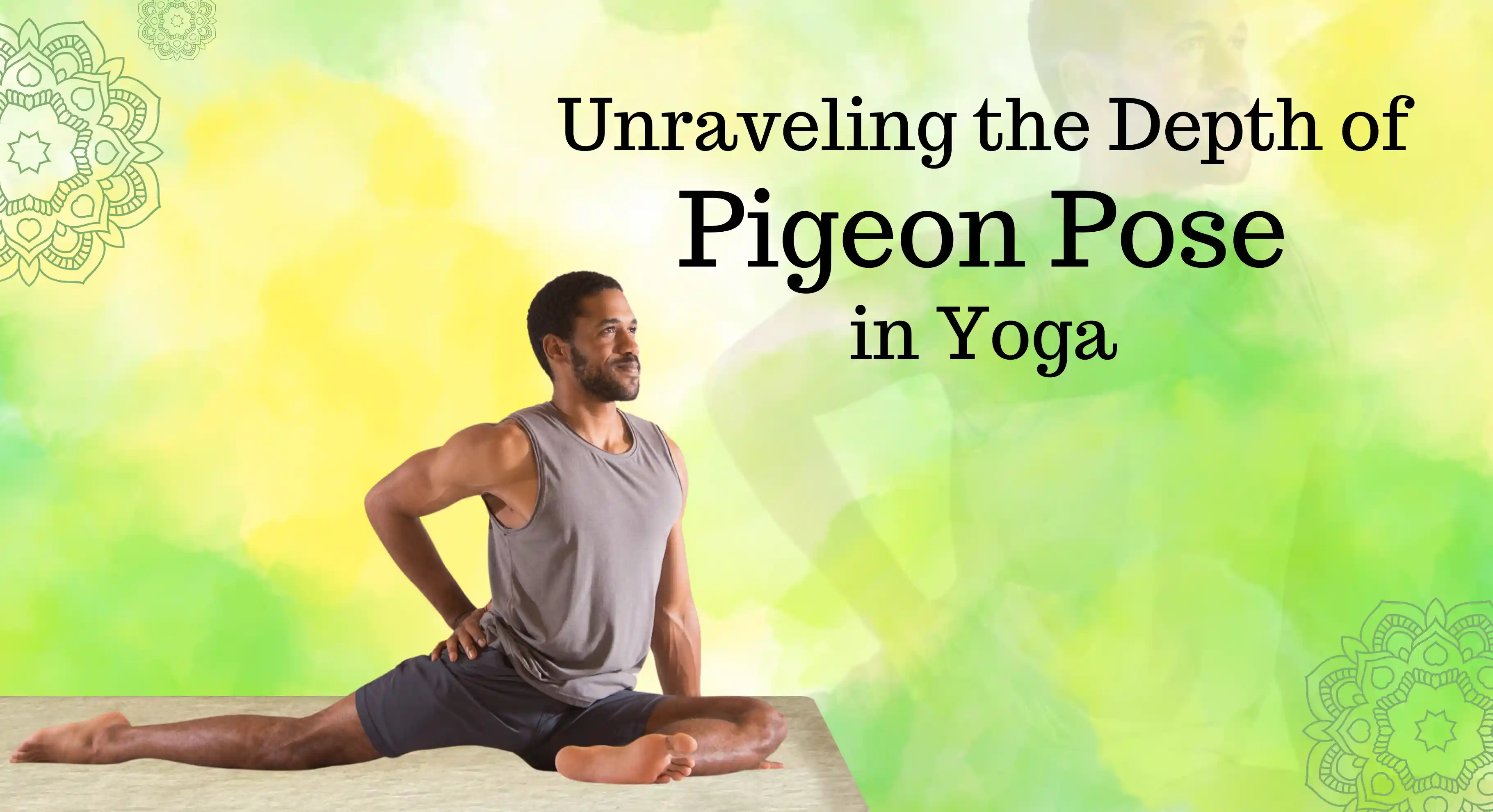
To perform Kapotasana, begin in a tabletop position, bringing one knee forward towards the
wrist on the same side, allowing the shin to rest on the mat. The other leg extends backward,
with the top of the foot pressing into the ground. The hips stay squared and leveled,
encouraging a deep stretch in the hip flexors, groin, and thighs. As the practitioner leans
forward, the spine extends, allowing for a profound opening in the chest and shoulders.
Kapotasana not only nurtures physical well-being by enhancing flexibility in the hips and
spine but also supports emotional release and stress reduction. This asana is renowned for
its ability to alleviate tension in the psoas muscles, which can contribute to relieving lower
back pain and improving posture.
Furthermore, the practice of pigeon pose encourages practitioners to cultivate mindfulness and presence, as it requires focus on breath and alignment. However, caution is advised for individuals with specific injuries or conditions related to the hips, knees, or back.
In essence, Kapotasana is a transformative pose that extends beyond the physical realm, fostering a connection between the body, mind, and spirit and inviting practitioners to explore both their inner and outer landscapes.
Yoga's roots trace back to ancient India, where postures like Kapotasana were developed to harmonize the body, mind, and spirit. The philosophy behind yoga emphasizes the union of the individual self (atman) with the universal consciousness (Brahman). Asanas, including Kapotasana, were designed not only for physical well-being but also for spiritual elevation and mental clarity.
Kapotasana primarily targets several muscle groups and areas within the body:
Beyond the physical aspects, Kapotasana can have profound effects on mental and emotional well-being:
Depending on individual flexibility and experience, variations and modifications can be made to Kapotasana:
While Kapotasana offers numerous benefits, it may not be suitable for everyone. Precautions should be taken in certain situations:
Kapotasana is a challenging yet rewarding yoga posture that requires patience, practice, and mindfulness. Its physical, mental, and spiritual benefits make it a valuable addition to a yoga practice. When practiced mindfully and with proper alignment, Kapotasana can contribute to overall well-being, fostering a deeper connection between body, mind, and spirit.
Garudasana, known as Eagle Pose, is a foundational standing yoga posture that embodies balance, focus, and strength. Named after Garuda, the mythical bird in Hindu mythology, this pose involves intertwining the arms and legs in a manner resembling an eagle's wings.
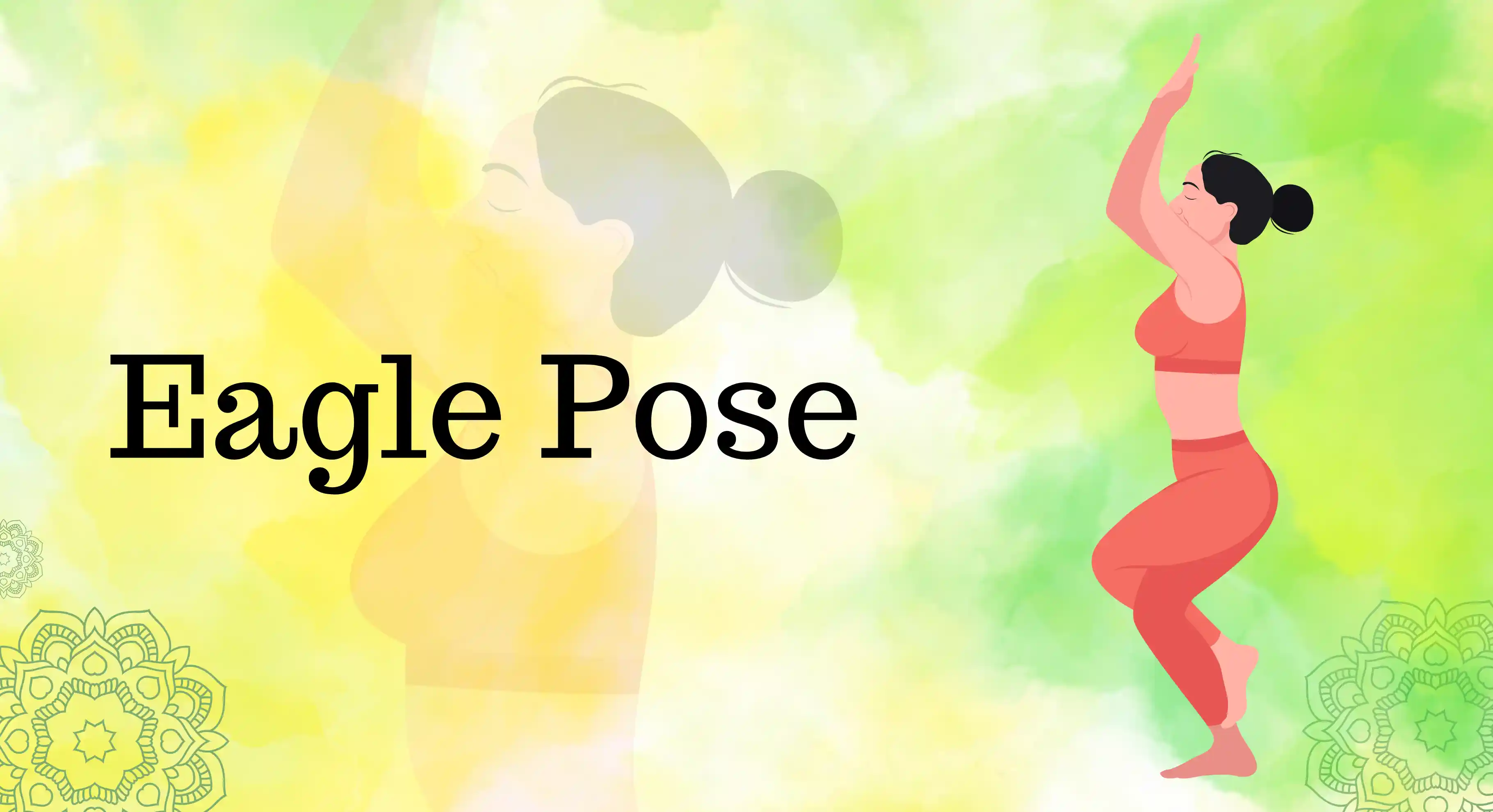
To practice Garudasana, start in Tadasana (Mountain Pose). Then, shift weight onto one leg
and cross the other leg over, wrapping it around the standing leg if possible. Simultaneously,
extend the arms forward at shoulder height and cross one arm over the other, bending at the
elbows and entwining the forearms. The palms can meet or rest against each other
Garudasana requires engagement of the core muscles for stability and balance while
focusing on a fixed point to aid concentration. The pose encourages extension through the
arms and legs while maintaining a steady breath.
This asana stretches and opens the ankles, calves, thighs, and shoulders, enhancing
flexibility and mobility in these areas. Additionally, it strengthens the muscles of the legs,
arms, and shoulders, toning these regions and promoting stability
Beyond its physical benefits, Garudasana cultivates mental concentration and focus due to
the requirement of steadying the body and maintaining the posture's integrity. Practicing this
pose regularly fosters a sense of balance, both physically and mentally, encouraging
practitioners to find equilibrium and harmony within themselves.
Beyond its physical benefits, Garudasana cultivates mental concentration and focus due to
the requirement of steadying the body and maintaining the posture's integrity. Practicing this
pose regularly fosters a sense of balance, both physically and mentally, encouraging
practitioners to find equilibrium and harmony within themselves.
Beyond its physical benefits, Garudasana cultivates mental concentration and focus due to
the requirement of steadying the body and maintaining the posture's integrity. Practicing this
pose regularly fosters a sense of balance, both physically and mentally, encouraging
practitioners to find equilibrium and harmony within themselves.
In essence, Garudasana symbolizes the majestic eagle's grace and power, embodying
qualities of poise, strength, and focused determination on the yoga mat.
Prepare for Garudasana by warming up with:
Garudasana, the Eagle Pose, encapsulates a beautiful blend of balance, strength, and focused attention. Through intertwining the arms and legs in a graceful manner reminiscent of an eagle's wings, this pose embodies qualities of poise and determination.
Its regular practice not only enhances physical aspects such as flexibility in the ankles, thighs, and shoulders but also strengthens the muscles of the legs, arms, and shoulders. The pose encourages stability and concentration, fostering a sense of balance both in body and mind.
Garudasana extends its benefits beyond the physical realm, cultivating mental focus and mindfulness. The engagement required to maintain the posture instills qualities of resilience and steadiness, reflecting the regal attributes of the eagle.
Accessible for various levels, modifications can accommodate individual needs, ensuring a safe and enriching experience. However, caution should be exercised by those with knee or ankle concerns, seeking guidance for a secure practice
In essence, Garudasana stands as a testament to the harmony achievable within oneself. Its practice symbolizes not just physical balance but also an inner alignment, inviting practitioners to embody the grace, strength, and unwavering focus of the majestic eagle both on the mat and in life.
Kukkutasana, also known as the Rooster Pose, is an intermediate arm balance in yoga. This asana requires the practitioner to balance the body on the hands with the legs crossed and intertwined around the upper arms. The posture resembles a rooster's stance, symbolizing strength, balance, and control.
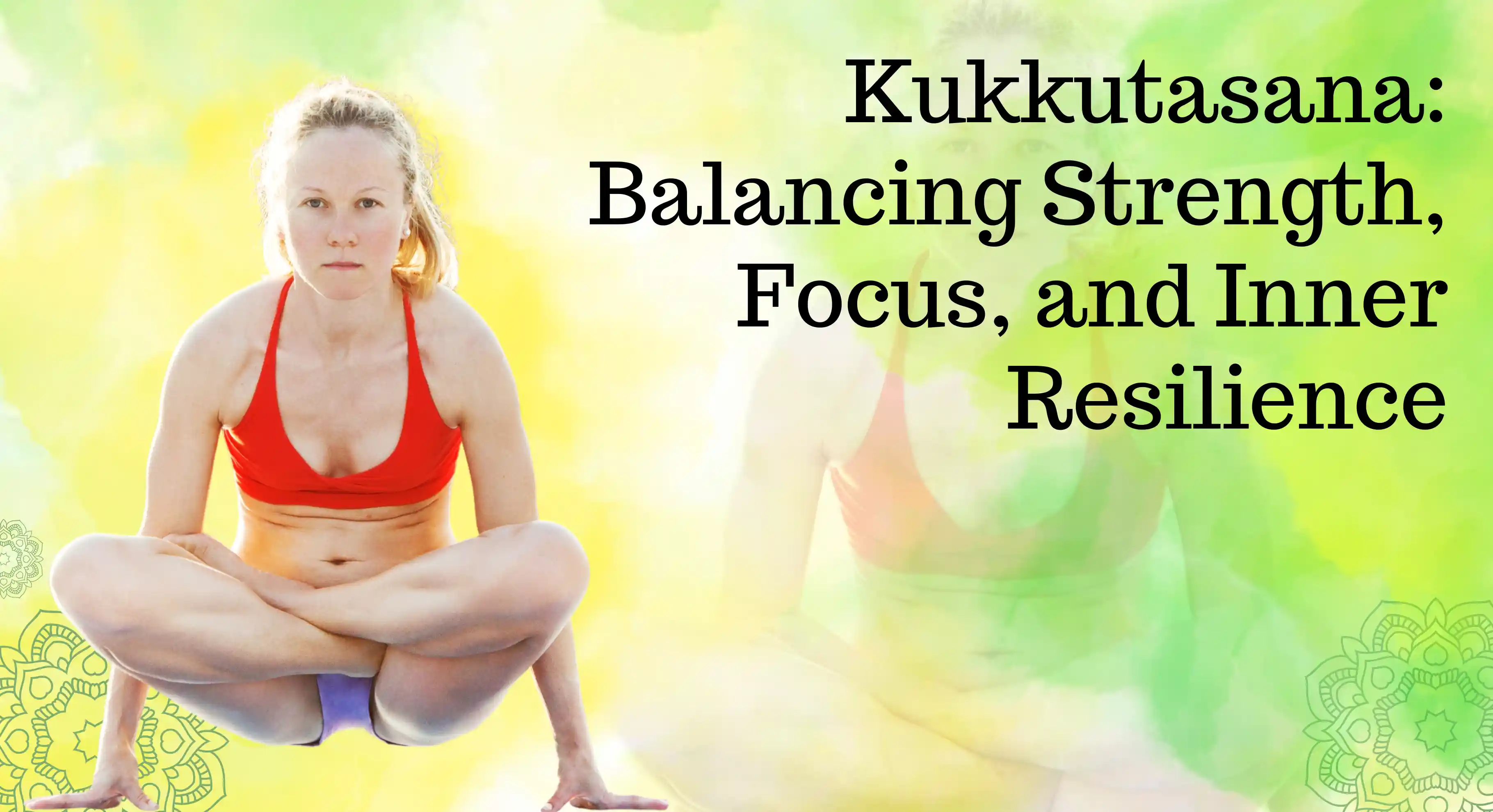
To practice Kukkutasana, start in a seated position, cross the legs, and
slide the hands under the thighs, placing them firmly on the ground.
Then, hook the knees onto the upper arms, close to the armpits. With
engaged core muscles, lean the body forward, shifting the weight onto
the hands, and lift the feet off the ground.
This pose demands upper body strength, particularly in the arms,
shoulders, and core, along with balance and focus. The arms support the
body's weight while the core muscles stabilize the posture. Kukkutasana
enhances strength, builds arm and wrist stability, and cultivates focus
and concentration.
Practicing Kukkutasana should be approached gradually, considering
individual strength and flexibility levels. Using props or modifying the
posture can assist in learning and mastering this arm balance.
Individuals with wrist, arm, or shoulder issues should practice with
caution or seek guidance from a yoga instructor to prevent injury.
Kukkutasana encourages a connection between mind and body,
requiring mental focus, physical strength, and balance. Regular practice
of this pose not only improves physical strength and stability but also
cultivates mental resilience and determination, embodying the essence
of control and balance in yoga practice.
Prepare the body for Kukkutasana with warm-up poses like:
Kukkutasana, the Rooster Pose, is an advanced arm balance that demands strength, balance, and focus. Practicing this asana challenges the practitioner both physically and mentally, cultivating strength, balance, and a heightened sense of body awareness. With consistent practice and mindful engagement, Kukkutasana can be a rewarding posture, fostering not just physical prowess but also mental resilience and inner balance. As with any advanced yoga pose, it's important to approach it gradually, respecting the body's limits, and seeking guidance to practice safely and effectively.
Uttanakurmakasana is derived from the Sanskrit words "Uttana," meaning raised, "Kurma," denoting tortoise, and "Asana," representing pose or posture. This asana symbolizes the shape of a tortoise, emphasizing a blend of stability and extension in the body.
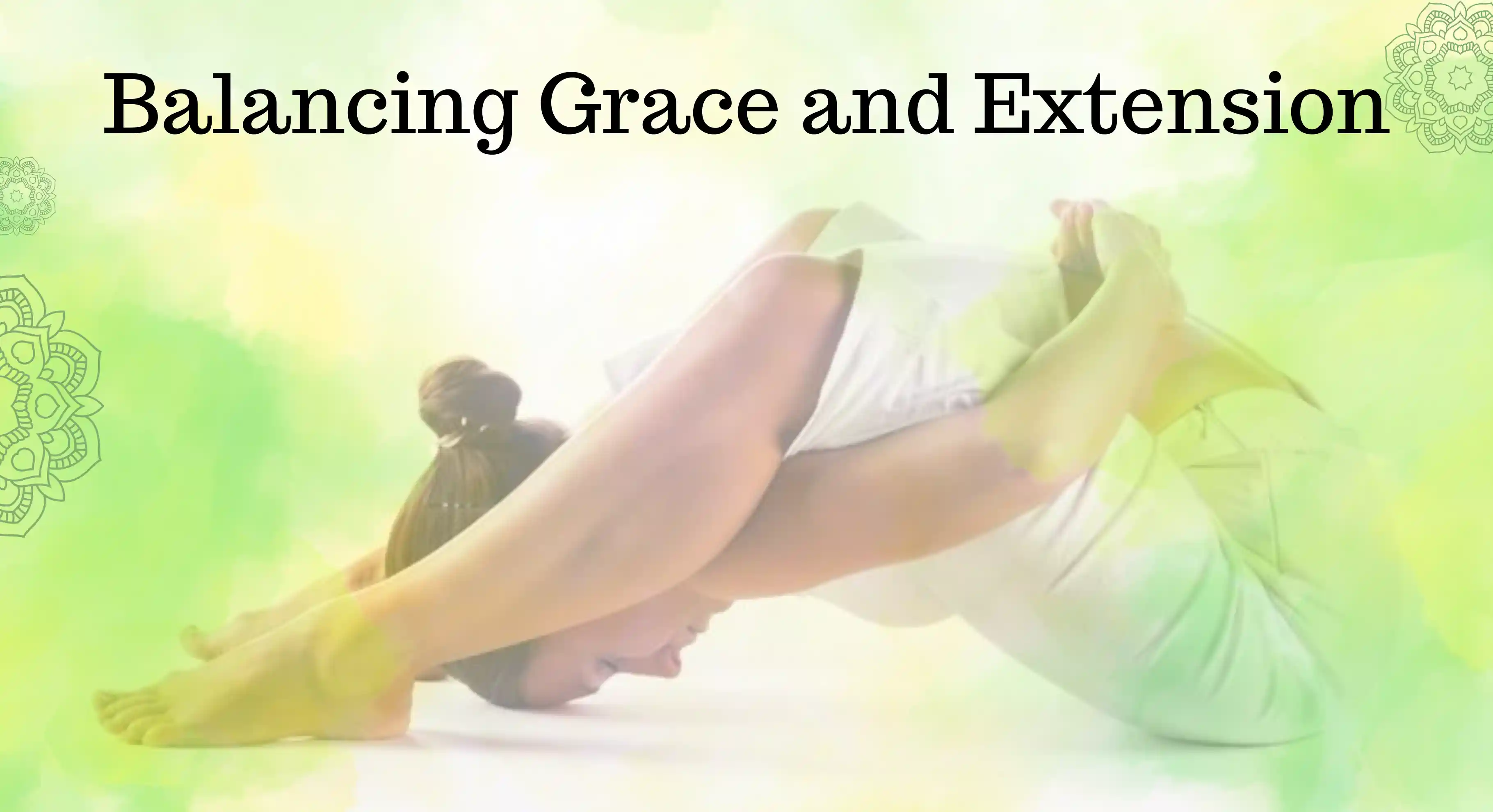
Uttanakurmakasana, also known as the Raised Tortoise Pose, is a yoga asana that combines elements of forward bending, hip opening, and strengthening. This pose requires balancing on the knees while the torso and arms stretch forward and upward, resembling the extended posture of a tortoise. Uttanakurmakasana offers a deep stretch to the spine, shoulders, hips, and legs while engaging the core muscles and enhancing balance.
Prepare the body for Uttanakurmakasana with warm-up poses like:
Uttanakurmakasana, the Raised Tortoise Pose, embodies a combination of extension, balance, and grounding. Integrating this pose into a yoga practice offers a comprehensive stretch to the spine, shoulders, hips, and legs while engaging the core muscles for stability. Practicing Uttanakurmakasana encourages spinal flexibility, shoulder mobility, and an overall sense of grounding and extension. It's essential to approach this pose mindfully, respecting the body's limitations, and modifying as needed for a safe and beneficial experience.
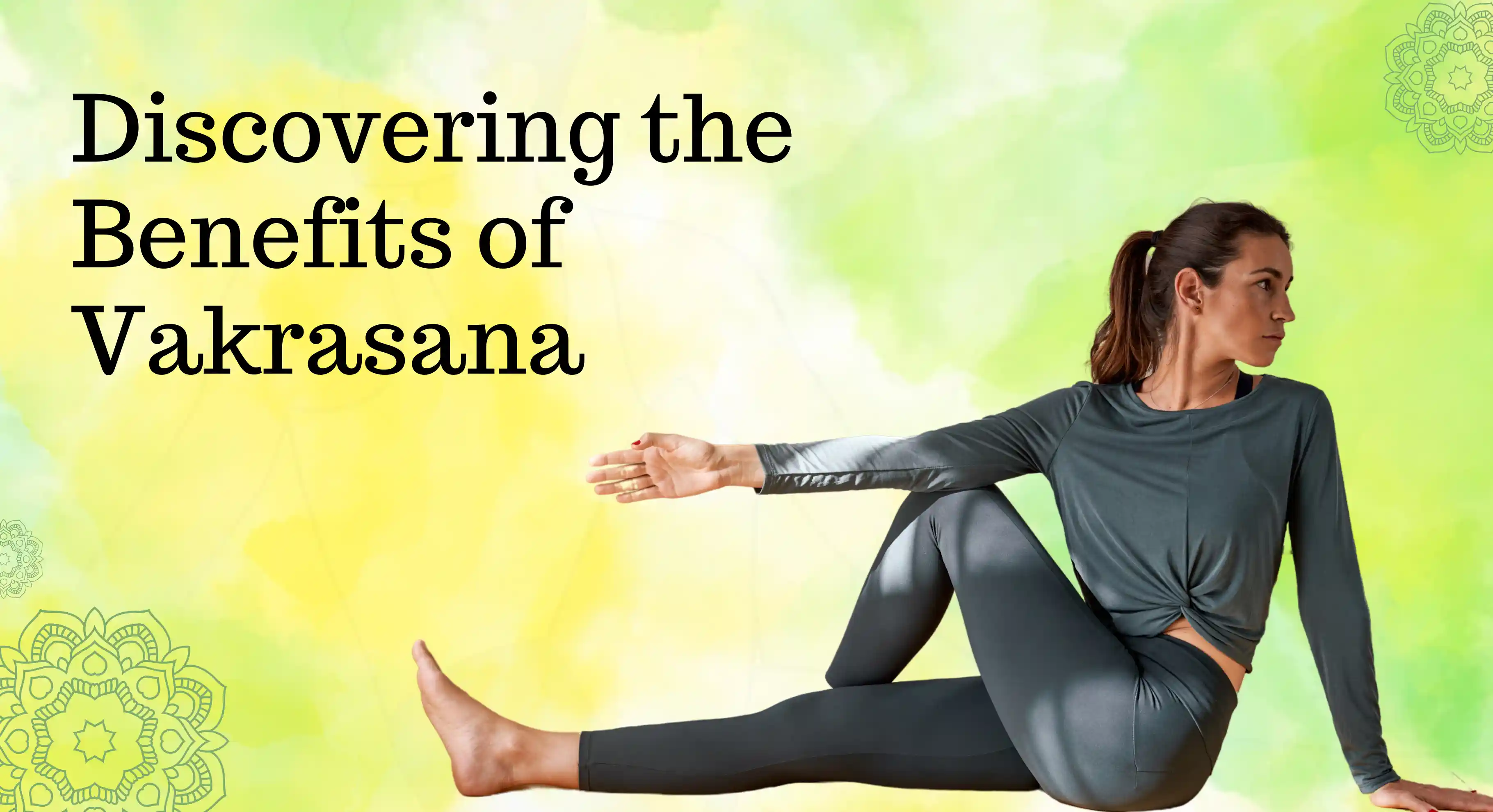
The name Vakrasana originates from Sanskrit, combining the word "Vakra," which means "twisted," with "Asana," signifying a "pose" or "posture.". It is a seated twist that involves
a gentle yet effective rotation of the spine, accompanied by controlled
breathing and mindfulness.
Vakrasana, commonly known as Twisted Pose or Half Spinal Twist, is a
yoga asana that primarily focuses on spinal flexibility and digestive
health. This pose involves a twisting motion that targets the spine, hips,
and abdomen, promoting flexibility and strength in these areas.
Vakrasana is believed to aid digestion, stimulate the abdominal organs,
and alleviate stiffness in the back.
Prepare the body for Vakrasana with warm-up poses like:
Vakrasana, the Twisted Pose, serves as a valuable yoga asana for enhancing spinal flexibility, promoting digestive health, and fostering core strength. Regular practice, attention to alignment, and mindful engagement with the breath contribute to a safe and rewarding experience. Practicing Vakrasana can aid in alleviating back stiffness, stimulating digestion, and nurturing overall well-being. Always approach the pose mindfully, respecting individual limitations, and seek guidance if experiencing discomfort or pain while attempting this twist.
Bhunamanasana derives its name from the Sanskrit words "Bhuma," meaning earth, and "Manasana," indicating posture or pose. This asana signifies the embodiment of humility and strength, embracing the concept of being grounded and open-hearted simultaneously
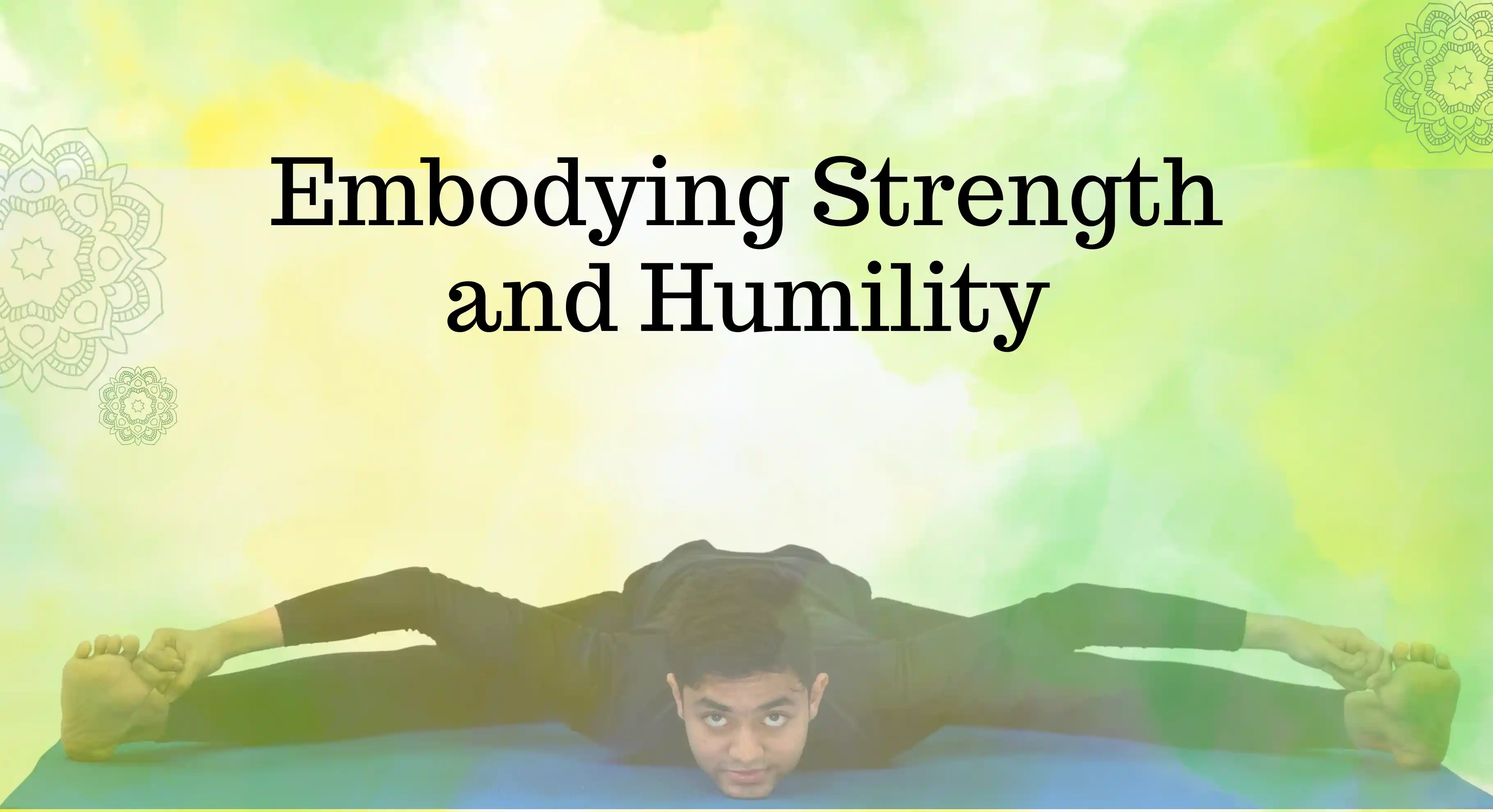
Bhunamanasana, also known as Humble Warrior Pose, is a dynamic yoga asana that combines strength, balance, and surrender. This posture combines elements of Warrior Pose and a forward bend, emphasizing humility, grounding, and opening through the hips and chest. It offers a deep stretch for the hips, thighs, shoulders, and chest while engaging the core and leg muscles for stability and strength.
Prepare the body for Bhunamanasana with warm-up poses like:
Bhunamanasana, the Humble Warrior Pose, symbolizes a blend of strength, humility, and surrender in yoga practice. Incorporating this pose into a regular routine fosters hip and chest opening, strength building, and emotional release. Mindfulness, alignment, and honoring individual limitations are crucial for a safe and enriching experience. Practicing Bhunamanasana cultivates both physical and emotional balance, encouraging a grounded yet open-hearted approach to life on and off the yoga mat.
Parivrtta Dandasana is derived from the Sanskrit words "Parivrtta," meaning
revolved, "Danda," signifying staff or stick, and "Asana," representing pose. It
involves sitting in a staff-like position while rotating the spine, creating a
twist that targets multiple muscle groups.
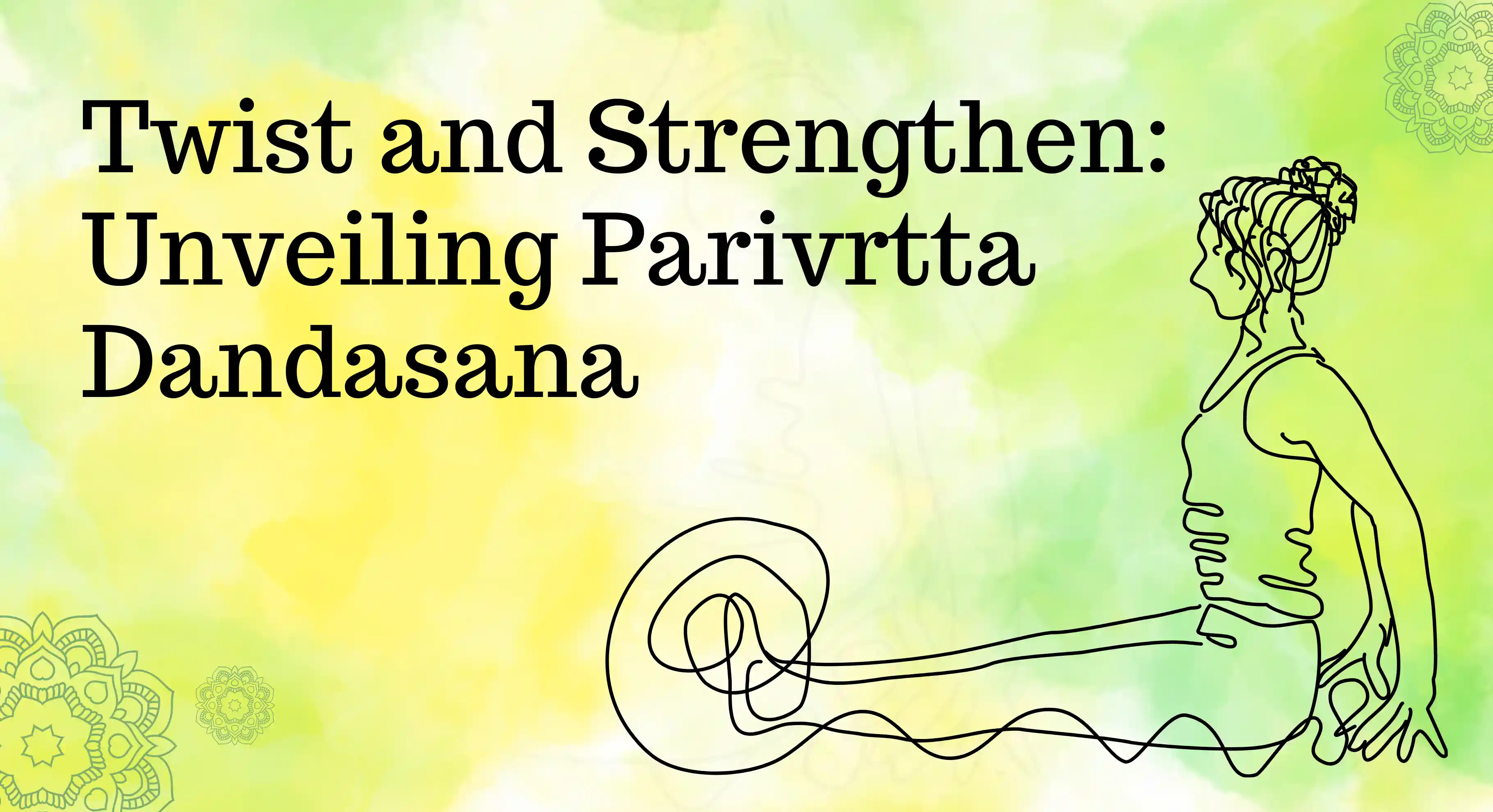
Parivrtta Dandasana, also known as Revolved Staff Pose, is an intermediate
to advanced yoga posture that focuses on spinal rotation, core
engagement, and strengthening. This asana combines elements of seated
posture, spinal twist, and balance, offering a comprehensive stretch to the
spine, shoulders, and abdominal muscles. The pose requires stability,
flexibility, and attention to alignment to perform it correctly and safely.
Prior to attempting Parivrtta Dandasana, it's beneficial to warm up the body with preparatory poses such as:
Parivrtta Dandasana, the Revolved Staff Pose, offers a comprehensive spinal twist, engaging multiple muscle groups and promoting both flexibility and strength. Consistent practice with attention to alignment and gradual progression is key to experiencing the full benefits of this intermediate to advanced asana. Integrating Parivrtta Dandasana into a regular yoga practice can significantly enhance spinal mobility, core strength, and overall balance. It's essential to practice mindfully, respecting the body's limitations, and seeking guidance if experiencing any discomfort or pain while attempting this pose.
ENQUERY NOW
We at Rishikul Yogshala deliver yoga and not a skill; it is rather an ancient practice we transfer with thorough knowledge, wisdom targeting bright intellect, understanding of its values, tradition, Yogic philosophy, and scientific explanations to our fellow students.





 About us
The Science Behind Asanas: Understanding the Mechanism of Yoga Postures