Rishikul Yogshala Yoga Journal Best Yoga Blogs

Mail This Blog

Asana Blogs

The Science Behind Asanas: Understanding the Mechanism of Yoga Postures


Have somthing to say? Post your comment

RISHIKUL YOGSHALA | BLOG

Revealing The Wisdom & Its Cause

Exhaling results in death, whereas inhaling gives life

Exhalation is Samadhi, or emancipation, whereas inhalation is attachment.

Stress is exhaled while relaxation is inhaled.

When we die, we exhale, and when we are born, we begin by inhaling.

Exhaling is Shiva, and inhaling is Shakti

Exhaling is freedom; inhaling is servitude.

Male energy is exhalation while Female energy is inhalation You become aware of your body and spiritual things when you inhale, and you become conscious of your awareness when you exhale.
Inhalation and exhalation are like the two sides of the same coin. We require both. But which is more crucial—inhaling or exhaling—for a mediator, an interior traveler, or a person who is making constant efforts for release and everlasting peace? Definitely exhalation.

Exhale, then become a master of yoga and meditation.

Don't forget to pay attention to your exhale going forward

Exhalation is the key to effective meditation.

  • Transformation results from exhalation.
  • Perfection comes with exhalation.
  • You enter a deep state of meditation on your exhalation.
  • Inhalation is sustained by exhalation.
  • Exhalations cause long inhalations.
  • Exhaling aids in regulating the pauses.
  • The sound of exhalation is silent.
  • To enter a deep level of meditation, extend your exhalation. polish your exhalation

To enter a deep level of meditation, extend your exhalation. Ensure sure your exhale is smooth, with no pauses, noise, or jerks. Put in the work. Sacrifice your life for it and take the Guru's teachings at face value. You will undoubtedly achieve Samadhi, a state of effortlessness.

We welcome you to RISHIKUL YOGSHALA where we embrace the ancient practice of yoga and the rich culture that surrounds it. Step into our yoga sanctuary and immerse yourself in a journey of self-discovery and inner peace. we invite you to join our Yoga Teacher training, where you can learn from experienced teachers, connect with like-minded individuals, and explore the beauty of this ancient practice. At RISHIKUL YOGSHALA, we believe that the practice of yoga extends beyond the mat and into our daily lives. We look forward to sharing this transformative experience with you Come and Experience the magic of yoga and the vibrant culture that surrounds RISHIKUL YOGSHALA. Leave feeling rejuvenated and inspired.
Pranayama 1

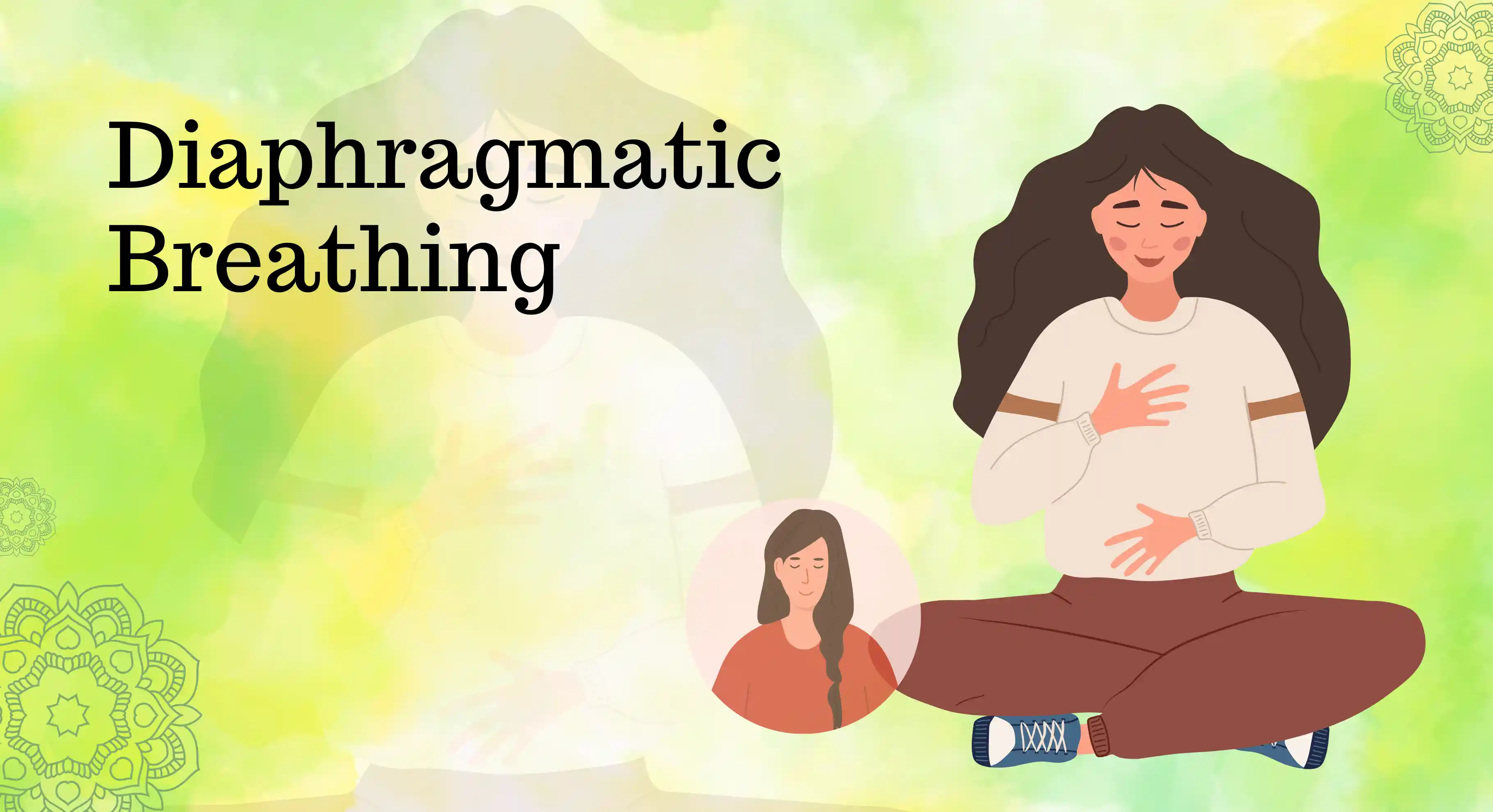
Breathing with diaphragmatic breathing, also known as "belly breathing" or "deep breathing," is essential while practicing yoga asanas for several important reasons:


  1. Improved Oxygenation:Diaphragmatic breathing allows you to take in more oxygen with each breath. This oxygen is vital for your muscles to perform optimally during yoga asanas. Proper oxygenation supports endurance and helps prevent muscle fatigue.
  2. Relaxation and Stress Reduction:Deep, diaphragmatic breaths activate the body's relaxation response. When you're practicing yoga, being in a relaxed state is crucial for safety and to ensure you don't overexert yourself. It also helps reduce stress, which can enhance your yoga experience.
  3. Enhanced Focus:Deep, intentional breathing helps to clear the mind and increase concentration. When you're fully engaged in your breath, you're more likely to be present in the moment, focusing on the alignment and execution of each asana. This mindfulness can improve the quality of your practice.
  4. Increased Stability and Balance:Diaphragmatic breathing engages the core muscles, including the transverse abdominis. These muscles provide stability and support to the spine, which is crucial for maintaining balance during standing poses and inversions.
  5. Spinal Health:Proper breathing helps to maintain the health of your spine. The movement of the diaphragm with each breath helps to massage the internal organs and promote spinal flexibility. This is especially important during backbends and twists in yoga.
  6. Energy Flow: In yogic philosophy, it's believed that prana, or life force energy, flows with the breath. Diaphragmatic breathing ensures the smooth flow of prana throughout your body, helping to energize and revitalize you during your practice.
  7. Stress Reduction:Stress and tension often lead to shallow chest breathing. By practicing diaphragmatic breathing during yoga, you can reduce stress levels, allowing for a more enjoyable and effective asana practice.

To incorporate diaphragmatic breathing into your yoga asana practice, follow these steps:


  1. Awareness:Begin by simply becoming aware of your breath. Pay attention to how you're breathing, whether it's shallow or deep.
  2. Deepening the Breath: On each inhale, allow your abdomen to expand as your diaphragm descends. On each exhale, gently contract your abdominal muscles to help expel the breath
  3. Coordinate with Movements: As you move through yoga poses, coordinate your breath with each movement. Inhale during expansion or opening movements and exhale during contraction or closing movements.
  4. Maintain a Steady Rhythm:Aim for a smooth and steady breath rhythm. Avoid holding your breath or rushing through the breath cycle.

Remember that diaphragmatic breathing is a skill that may take time to develop. With practice, it becomes a natural and integral part of your yoga asana practice, enhancing your overall experience and benefitting both your physical and mental well-being.

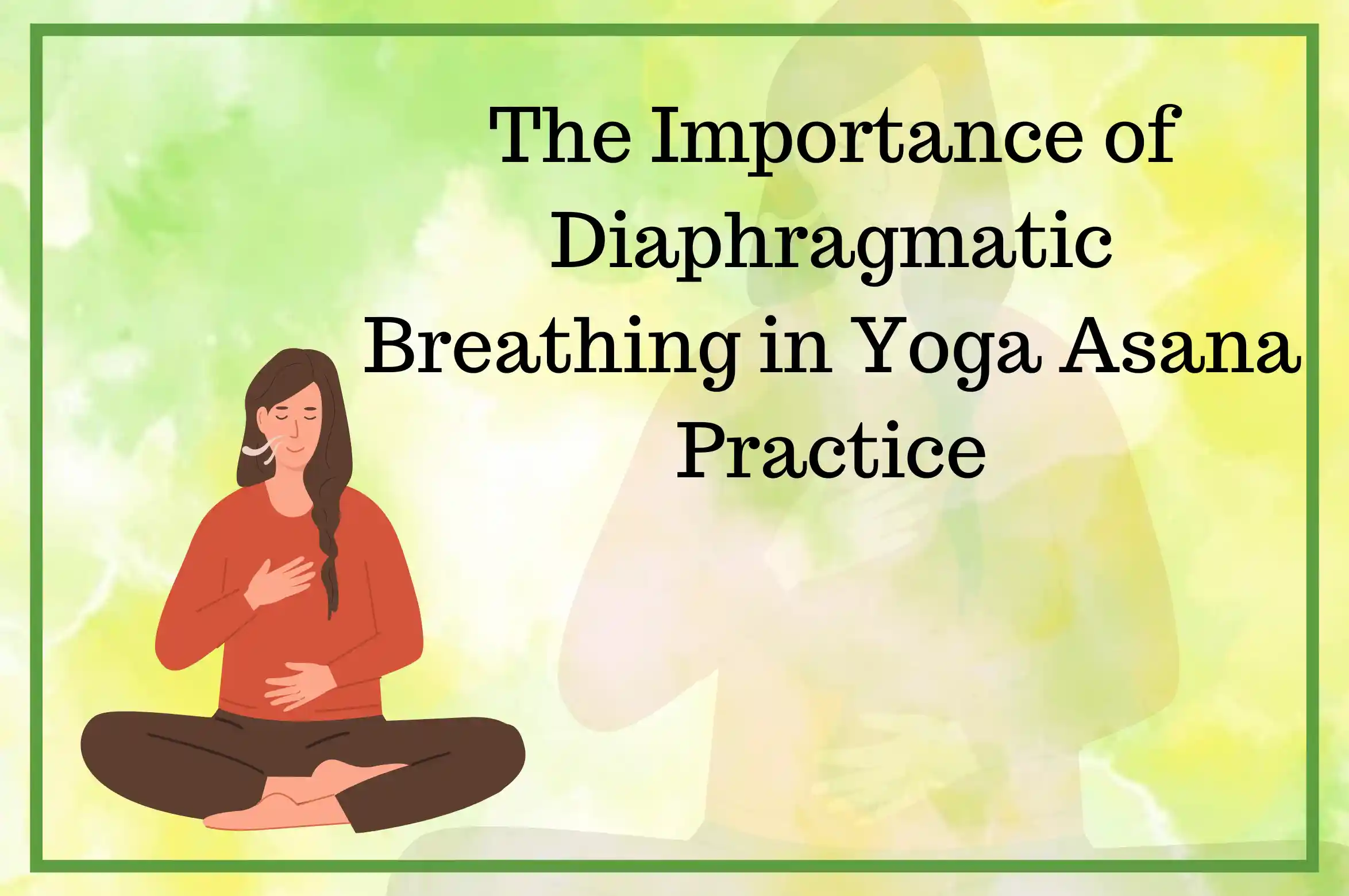
The Importance of Diaphragmatic Breathing in Yoga Asana Practice

Breathing with diaphragmatic breathing, also known as "belly breathing" or "deep breathing," is essential while practicing yoga asanas for several important reasons:

  1. Improved Oxygenation:Diaphragmatic breathing allows you to take in more oxygen with each breath. This oxygen is vital for your muscles to perform optimally during yoga asanas. Proper oxygenation supports endurance and helps prevent muscle fatigue.
  2. Relaxation and Stress Reduction:Deep, diaphragmatic breaths activate the body's relaxation response. When you're practicing yoga, being in a relaxed state is crucial for safety and to ensure you don't overexert yourself. It also helps reduce stress, which can enhance your yoga experience.
  3. Enhanced Focus:Deep, intentional breathing helps to clear the mind and increase concentration. When you're fully engaged in your breath, you're more likely to be present in the moment, focusing on the alignment and execution of each asana. This mindfulness can improve the quality of your practice
  4. Increased Stability and Balance:Diaphragmatic breathing engages the core muscles, including the transverse abdominis. These muscles provide stability and support to the spine, which is crucial for maintaining balance during standing poses and inversions.
  5. Spinal Health:: Proper breathing helps to maintain the health of your spine. The movement of the diaphragm with each breath helps to massage the internal organs and promote spinal flexibility. This is especially important during backbends and twists in yoga.
  6. Energy Flow:In yogic philosophy, it's believed that prana, or life force energy, flows with the breath. Diaphragmatic breathing ensures the smooth flow of prana throughout your body, helping to energize and revitalize you during your practice.
  7. Stress Reduction:Stress and tension often lead to shallow chest breathing. By practicing diaphragmatic breathing during yoga, you can reduce stress levels, allowing for a more enjoyable and effective asana practice.

To incorporate diaphragmatic breathing into your yoga asana practice, follow these steps:

  1. Awareness: Begin by simply becoming aware of your breath. Pay attention to how you're breathing, whether it's shallow or deep.
  2. Deepening the Breath:On each inhale, allow your abdomen to expand as your diaphragm descends. On each exhale, gently contract your abdominal muscles to help expel the breath.
  3. Coordinate with Movements:As you move through yoga poses, coordinate your breath with each movement. Inhale during expansion or opening movements and exhale during contraction or closing movements.
  4. Maintain a Steady Rhythm:Aim for a smooth and steady breath rhythm. Avoid holding your breath or rushing through the breath cycle

Remember that diaphragmatic breathing is a skill that may take time to develop. With practice, it becomes a natural and integral part of your yoga asana practice, enhancing your overall experience and benefitting both your physical and mental well-being.

Philosophy

Mudras

Yoga TTC

Yoga Sutra

Bhagvat Geeta

Yoga Nidra

Philosophy

Mudras

Pranayama 2

Introduction

Breath, the very essence of life, plays a vital role in yoga practices. Among the many facets of yogic breathing, one stands out for its transformative power - Kumbhaka. This ancient technique involves the suspension of breath, and it has been a cornerstone of pranayama (breath control) practices for centuries. In this blog, we will explore Kumbhaka, who can benefit from it, its advantages and disadvantages, and the profound transformation it can bring to your life.
Kumbhaka: The Essence of Breath Control

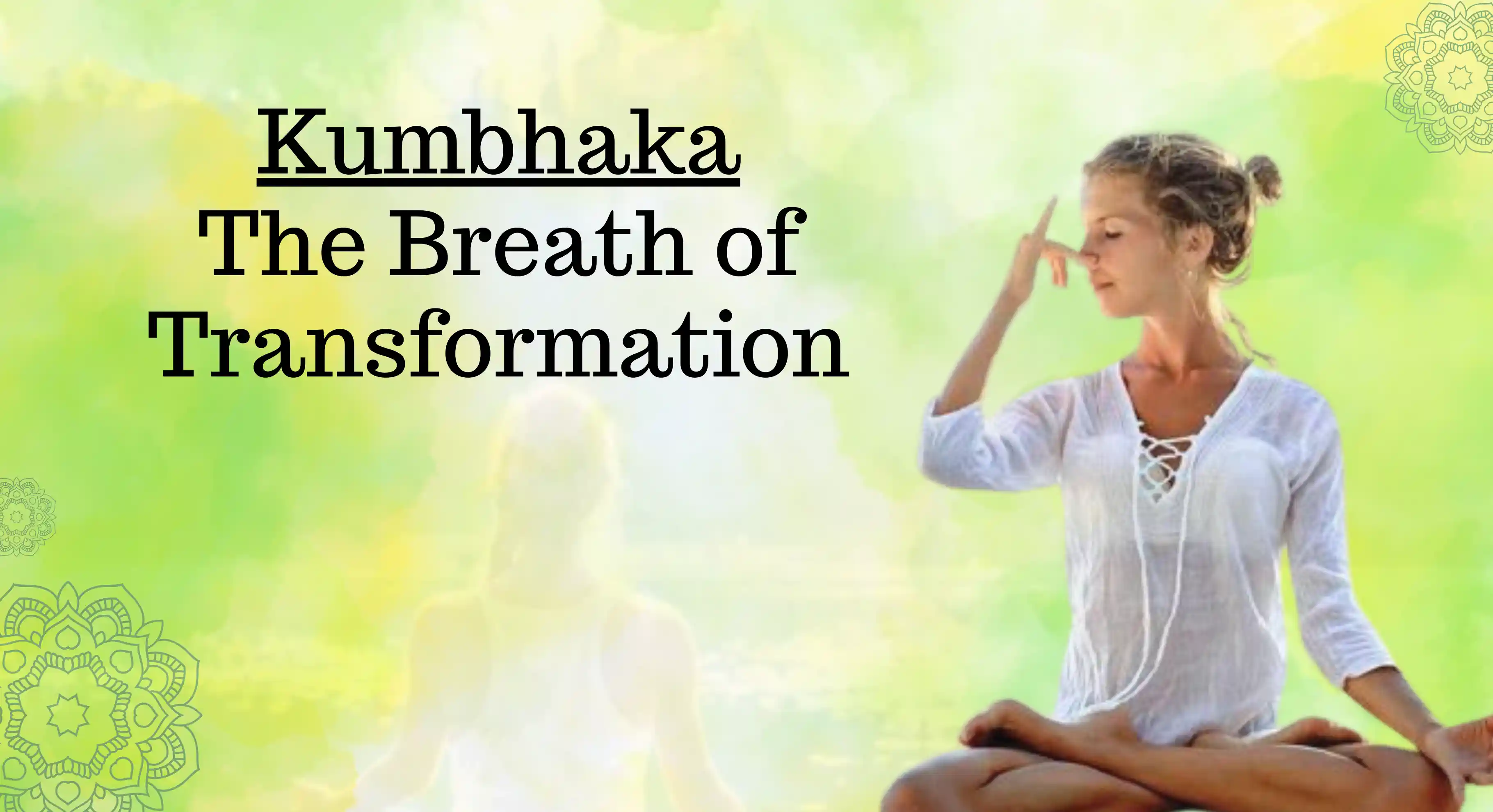
Kumbhaka, also known as breath retention or breath suspension, is a pranayama technique where one intentionally pauses the breath after inhalation (Antar Kumbhaka) or after exhalation (Bahya Kumbhaka). The word "Kumbhaka" originates from the Sanskrit words "kumbha" (pot) and "aka" (filled), symbolizing the holding of the breath within the body, much like a pot filled with water.


Who Is a Beginner in Kumbhaka?

Practicing Kumbhaka is not recommended for absolute beginners in yoga or pranayama. To embark on the journey of breath retention, one should have a solid foundation in the following areas:

  1. Pranayama Foundations:An understanding of basic pranayama techniques, such as diaphragmatic breathing, Ujjayi breath, and alternate nostril breathing, is crucial.
  2. Asana Proficiency:A stable and comfortable seated posture, like Padmasana (Lotus Pose) or Sukhasana (Easy Pose), is essential. A strong core and open chest are also beneficial.
  3. Breath Awareness:: Being attuned to your breath, its rhythm, and the sensations it creates in the body is fundamental. Breath awareness is often cultivated through mindfulness and meditation practices.
  4. Guidance:It's advisable to learn Kumbhaka under the guidance of an experienced yoga teacher who can provide personalized instruction and ensure safety.

Pros and Cons of Kumbhaka

Like any yogic practice, Kumbhaka has its advantages and potential challenges Let's explore both sides:

Pros:


  1. Enhanced Lung Capacity:Kumbhaka strengthens the respiratory muscles and improves lung capacity, leading to more efficient oxygen exchange.
  2. Balanced Nervous System:It helps balance the autonomic nervous system, promoting relaxation and reducing stress.
  3. Mental Clarity:Kumbhaka enhances focus and concentration, making it a valuable tool for meditation.
  4. Energetic Awakening:The suspension of breath activates dormant energy centers (chakras) and can lead to profound energetic experiences.

Cons:


  1. Physical Strain:Incorrect practice of Kumbhaka can strain the respiratory muscles and cause discomfort.
  2. Breathlessness:Breath retention can sometimes lead to feelings of breathlessness or anxiety, especially for beginners.
  3. High Blood Pressure:Individuals with hypertension should approach Kumbhaka cautiously, as it can temporarily raise blood pressure.
  4. Mental Strain:Attempting advanced breath retention practices without proper preparation can be mentally taxing and lead to frustration.

The Transformation of Kumbhaka

Kumbhaka holds the potential to catalyze a deep transformation in various aspects of your life. Here's how:

Physical Transformation:


  1. Enhanced Respiratory Function:Regular Kumbhaka practice strengthens the respiratory muscles, increases lung capacity, and improves overall respiratory health.
  2. Vitality and Endurance:As your breath becomes more efficient, you may notice increased energy levels and physical stamina.

Mental Transformation:


  1. Heightened Concentration:Kumbhaka requires focused attention, which spills over into daily life, enhancing your ability to concentrate and stay present.
  2. Emotional Resilience:The mental discipline cultivated through Kumbhaka can help you navigate challenging emotions with greater ease and equanimity.

Energetic Transformation:


  1. Awakening of Prana:Kumbhaka activates the flow of prana (life force energy), cleansing and rejuvenating the energy channels (nadis) in the body.
  2. Chakra Activation: The practice of Kumbhaka can stimulate and balance the chakras, leading to a heightened sense of vitality and spiritual awakening.

Spiritual Transformation:


  1. Deeper Meditation:Kumbhaka is often used as a preparation for meditation, allowing you to enter deeper states of stillness and self-awareness.
  2. Self-Realization:With continued practice, Kumbhaka can provide profound insights into your true nature and lead to a deeper connection with your inner self.

Caution and Guidelines for Safe Kumbhaka Practice

If you're inspired to explore Kumbhaka, it's essential to proceed mindfully and safely. Here are some guidelines:

  1. Start Slowly:Begin with short breath retentions and gradually extend the duration as you become more comfortable and experienced.
  2. Avoid Force:Never force yourself to hold the breath beyond your capacity. Kumbhaka should be comfortable, not strained.
  3. Proper Technique:Learn Kumbhaka under the guidance of an experienced teacher who can provide correct technique and ensure safety.
  4. Breath Awareness:Cultivate deep awareness of your breath throughout the practice, ensuring that it remains smooth and controlled.
  5. Be Patient:The benefits of Kumbhaka unfold over time. Be patient with your progress and avoid rushing into advanced practices
  6. Consult a Healthcare Professional:If you have any medical conditions, especially respiratory or cardiovascular issues, consult a healthcare professional before practicing Kumbhaka.

Conclusion

Kumbhaka is a potent yogic technique that offers profound physical, mental, and spiritual transformation. While it holds immense potential for growth and self-discovery, it should be approached with care, awareness, and respect for your body's limitations. By cultivating the necessary foundations, seeking guidance from experienced teachers, and practicing mindfully, you can harness the power of Kumbhaka to deepen your yoga journey and experience the breath of transformation in your life.

Philosophy

Mudras

Yoga TTC

Yoga Sutra

Bhagvat Geeta

Yoga Nidra

Philosophy

Mudras

Yoga TTC

Yoga Sutra

Pranayama 3

In the rhythmic tapestry of life, breath is the thread that connects us to the universe. This thread, when consciously woven through the practice of pranayama, becomes a bridge to inner harmony and vitality. Join us on a journey of breath exploration as we delve into the art of pranayama, understanding its essence from the breath of a baby to that of a yogi. Uncover the transformative power of pranayama, leading you to a deeper understanding of yourself and your connection to the world around you.
Understand the Breathing of Baby & Yogi:


In the dance of life's first moments, the breath of a baby is a symphony of purity. Uninhibited, unadulterated, each inhalation and exhalation is an expression of innocence and connection. As we evolve, we often lose touch with this natural rhythm. Nevertheless, through the practice of pranayama, a yogi endeavors to revive a natural bond, recognizing the breath as a vital link between the corporeal and the ethereal.

What is Breath:


Breath is not just a mechanical function; it's a sacred dance between life and the cosmos. It's a silent storyteller of our emotions, the rhythm of our thoughts, and the conductor of our energy. Through pranayama, we learn to listen to this whisper of life, to attune ourselves to its subtleties, and to wield it as a tool for holistic well-being.

Two Types of Breathing – Chest & Diaphragmatic:


In the symposium of breath, two distinct players emerge: chest breathing and diaphragmatic breathing. Chest breathing, shallow and confined to the upper chest, often accompanies stress and anxiety. Diaphragmatic breathing, on the other hand, engages the diaphragm, allowing the belly to expand and contract, inviting a calm and grounded state. Pranayama introduces us to the art of transitioning from erratic chest breaths to the profound rhythm of diaphragmatic breathing.

Chest Breathing:


Imagine a bird confined within a cage – such is the analogy of chest breathing. In this restricted mode, the breath becomes a mere transaction of air, and the energy within is stifled. Pranayama awakens us to the consequences of this shallow breath, urging us to break free from the cage and embrace the expansiveness of diaphragmatic breathing. As the chest opens, so does the heart, allowing the breath to dance freely through every fiber of our being.

Diaphragmatic Breathing:


Diaphragmatic breathing is a portal to presence. It's a reminder to be here, now, fully immersed in the moment. As we learn to engage the diaphragm, we encourage the release of physical tension and emotional baggage. The belly becomes a canvas that captures the ebb and flow of life's currents. With each inhale, we invite vitality; with each exhale, we release that which no longer serves us. Through pranayama, we learn that life is a series of inhales and exhales, beginnings and endings, and that in this rhythm, we find equilibrium.


As we conclude this journey into the profound realm of pranayama, we extend a heartfelt invitation to experience its magic at Rishikul Yogshala.Situated peacefully in Rishikesh, our Yogshala provides a welcoming space for individuals aiming to strengthen their bond with their breath and the broader experience of life. With experienced teachers as your guides, you'll traverse the realms of pranayama, unlocking the secrets of breath control and inviting transformative energy into your existence.


In a world that often propels us into a whirlwind of responsibilities and distractions, pranayama is an anchor that tethers us to the present moment. It's an invitation to inhale the beauty of life and exhale that which weighs us down. As you stand on the cusp of your own journey into the world of pranayama, we invite you to join us at Rishikul Yogshala. Let the gentle guidance of pranayama lead you towards a life brimming with vitality, peace, and a profound connection with the universe. The adventure awaits – take the first breath and step onto the path of self-discovery and transformation.
Pranayama 4

Mastering the Fundamentals for a Stronger Mind-Body Connection

  1. Don't forget to lay the groundwork:You must first master the fundamentals of breathing. If you will quickly scan the topics listed in this section, immediately below, you will see that they are not so much breathing techniques as they are methods of establishing basic breath awareness and elimination of irregularities. With breath training, one of the biggest mistakes is to skip the foundation and go directly into the techniques themselves.
  2. It begins and ends with awareness:Breath awareness is so important that, in a sense, the whole science of breath begins with awareness, and ends with awareness. Everything else in the middle serves as an awareness setup.
  3. The best link between the body and the mind is:The act of breathing connects the body and the mind. Muscle discomfort and distracting thoughts are highly typical when attempting to meditate. The nervous system serves as a mediator between the active mind and the tense body.
    One of the best ways to regulate that nervous system, and in turn the body and mind, is through the breath. This has been known by the Yogis for thousands of years and has also become widely known in recent years by the modern medical and psychological community.

Crocodile posture:


  1. Automatically breathe from the diaphragm:The crocodile is a particular posture in which you are lying on your front side, with your abdomen and lower chest on the floor, and your legs stretched out behind you. Your upper torso is raised off the ground, and your forehead rests on crossed arms. In this posture, you will automatically breathe from your diaphragm. Your chest will automatically be still.
    By practicing this posture, two things happen. First, you get the relaxation benefits at the moment, from breathing diaphragmatically. Second, you can focus on the sensation of your breath internally and take note of your chest's stillness, your lower abdomen's immobility, and the robust manner your diaphragm is working. It is then simpler to carry this knowledge and method with you once you leave the posture after internally viewing this.

Irregularities of breath:


By cultivating a deep, internal focus on our breath, we can then start to address its various inconsistencies. Mind-related anomalies: The connection between the body, breath, and mind. The mind is the source of any jerks, pauses, shallowness, or noisiness in the breath. The body and breath cannot function without guidance from the mind. Therefore, if the breath is erratic, the mind's erratic states are to blame.

"To be aware of and eliminate jerks, pauses, shallowness, and noise is a most important practice."

Nevertheless, you may intentionally control your breathing to eliminate these abnormalities. The major irregularities of breath are:

  • Jerks
  • Pauses
  • Shallowness
  • Noisiness

Working with the breath has a positive impact on the mind:The wonderful thing is that if you get rid of the abnormalities in the physical breath, it also has a really positive impact on the mind. The mind follows suit and follows along with the breath, becoming smooth, continuous (without stops), leisurely, and quiet. The body follows along and unwinds much more effortlessly.

Pranayama 5

Introduction

A venerable practice deeply embedded within yoga, pranayama involves the conscious and systematic modulation of breathing. This method is employed to cultivate an enhanced state of physical health, mental equilibrium, and spiritual growth. While pranayama offers a multitude of benefits, one of its remarkable aspects is its profound influence on the digestive and immune systems. In this blog, we'll explore how pranayama practices establish a vital connection to these two systems, ultimately contributing to overall health and vitality.
Understanding the Digestive System

Before we delve into the impact of pranayama on the digestive system, let's briefly review its primary functions:

  • Ingestion:The process of taking in food and beverages.
  • Digestion:The breakdown of food into smaller, absorbable molecules through mechanical and chemical processes.
  • Absorption:The absorption of nutrients from the digested food into the bloodstream.
  • Elimination:The removal of waste and undigested substances from the body.

A healthy digestive system is essential for nutrient absorption, energy production, and overall vitality.

The Role of Pranayama in Digestive Health Pranayama, often referred to as "breath control" in yoga, encompasses various techniques that regulate and optimize the breath. When practiced mindfully, pranayama can significantly impact the digestive system:

  1. Stress Reduction:Pranayama practices help reduce stress and anxiety, which can lead to improved digestion. Stress activates the "fight or flight" response, diverting energy away from digestion. By calming the mind through pranayama, you create an environment conducive to efficient digestion.
  2. Activation of Parasympathetic Nervous System:Certain pranayama techniques, such as abdominal breathing (diaphragmatic breathing), stimulate the parasympathetic nervous system, often referred to as the "rest and digest" system. This activation enhances digestion by increasing blood flow to the digestive organs and promoting relaxation.
  3. Enhanced Blood Circulation:Pranayama practices improve blood circulation throughout the body, including the digestive tract. This increased circulation ensures that nutrients are efficiently transported to cells for energy and repair.
  4. Improved Peristalsis:Peristalsis is the rhythmic contraction of muscles in the digestive tract that propels food and waste through the system. Deep, diaphragmatic breathing encouraged by pranayama practices massages the abdominal organs and supports healthy peristalsis.
  5. Detoxification:Certain pranayama techniques, like Kapalabhati (Skull Shining Breath), aid in detoxification by increasing the expulsion of carbon dioxide and other waste products from the body. This helps maintain a clean and healthy digestive system.
  6. Alleviation of Digestive Disorders: Regular pranayama practice has been shown to alleviate symptoms of digestive disorders such as irritable bowel syndrome (IBS) and acid reflux. The relaxation and stress-reduction benefits of pranayama can help soothe gastrointestinal discomfort.

Exploring the Immune System


The body's immune system functions as an intricate network, composed of specialized cells, various tissues, and vital organs. These elements continuously work together to shield us from harmful agents such as viruses, bacteria, and detrimental toxins. Possessing a strong and resilient immune system is indispensable for effectively warding off illnesses and sustaining our overall health and vitality.

The Role of Pranayama in Immune Health


Pranayama practices have a profound impact on the immune system, primarily through the following mechanisms:

  1. Stress Reduction:Chronic stress weakens the immune system's ability to function optimally. Pranayama practices, with their stress-reduction benefits, help maintain a balanced stress response, keeping the immune system robust.
  2. Enhanced Oxygenation: Pranayama increases oxygen intake and improves the efficiency of oxygen utilization in the body. Adequate oxygenation is essential for immune cells to function optimally and combat pathogens effectively
  3. Detoxification:Pranayama techniques support the body's natural detoxification processes. Eliminating toxins and waste products from the body reduces the burden on the immune system, allowing it to focus on defense against external threats.
  4. Balanced Inflammation:Pranayama helps regulate inflammation, preventing chronic, low-level inflammation that can weaken the immune system. A well-balanced inflammatory response is vital for immune function.
  5. Optimized Lymphatic System:The lymphatic system plays a crucial role in immune health by transporting immune cells and filtering waste products. Deep breathing and breath awareness in pranayama practices facilitate lymphatic circulation and drainage.
  6. Mental and Emotional Balance:Pranayama promotes mental and emotional well-being. A positive mindset and emotional balance are linked to a healthier immune system.

Pranayama Techniques for Digestive and Immune Health


Now that we understand how pranayama impacts the digestive and immune systems, let's explore some specific techniques that can be incorporated into your practice:

  1. Diaphragmatic Breathing (Abdominal Breathing):This foundational pranayama technique involves breathing deeply into the diaphragm, expanding the abdomen with each inhalation and contracting it with each exhalation. It stimulates the parasympathetic nervous system, promoting relaxation and digestive health.
  2. Nadi Shodhana (Alternate Nostril Breathing): Nadi Shodhana helps balance the left and right hemispheres of the brain, reducing stress and calming the mind. A calm mind supports optimal digestion and immune function.
  3. Kapalabhati (Skull Shining Breath):This rapid, forceful exhalation followed by passive inhalation helps release toxins, energize the body, and improve digestion. It also enhances oxygenation, supporting the immune system.
  4. Bhastrika (Bellows Breath):Bhastrika involves rapid, forceful inhalations and exhalations through the nose. It increases lung capacity, oxygenates the blood, and energizes the body, benefiting both digestion and immune function.
  5. Ujjayi Pranayama (Victorious Breath):Ujjayi involves creating a gentle constriction at the back of the throat while breathing. It calms the mind, reduces stress, and supports relaxation, fostering digestive health and immune strength.

Incorporating Pranayama into Your Routine


To harness the benefits of pranayama for your digestive and immune systems, consider these practical tips:

  1. Start Slowly:: If you're new to pranayama, begin with simple techniques like diaphragmatic breathing and gradually progress to more advanced practices.
  2. Consistency:Establish a regular pranayama practice, incorporating it into your daily routine. Consistency is key to reaping the full benefits.
  3. Guidance: Seek guidance from a qualified yoga instructor or practitioner to ensure you are practicing pranayama correctly and safely.
  4. Listen to Your Body: Pay attention to how your body responds to each technique. If you experience discomfort or dizziness, pause and return to normal breathing.
  5. Combine with Asanas: Combining pranayama with yoga asanas enhances its effectiveness. Flowing movements in yoga can further promote circulation, flexibility, and energy flow.
  6. Mindfulness:Practice pranayama mindfully, focusing on the breath.

Philosophy

Mudras

Yoga TTC

Yoga Sutra

Bhagvat Geeta

Yoga Nidra

Philosophy

Mudras

Yoga TTC

Yoga Sutra

Pranayama 6

In our fast-paced world, where stress and distractions abound, we often forget to focus on the most fundamental aspect of our existence: our breath. Breathing is not just an automatic bodily function; it's a powerful tool that can influence our physical and mental well-being. In the ancient practice of yoga, there's a discipline known as Pranayama, which involves harnessing the breath to regulate the subtle life currents within our bodies. In this blog, we'll explore the art of Pranayama in simple terms, demystifying this practice and shedding light on how it can bring balance and vitality to your life.
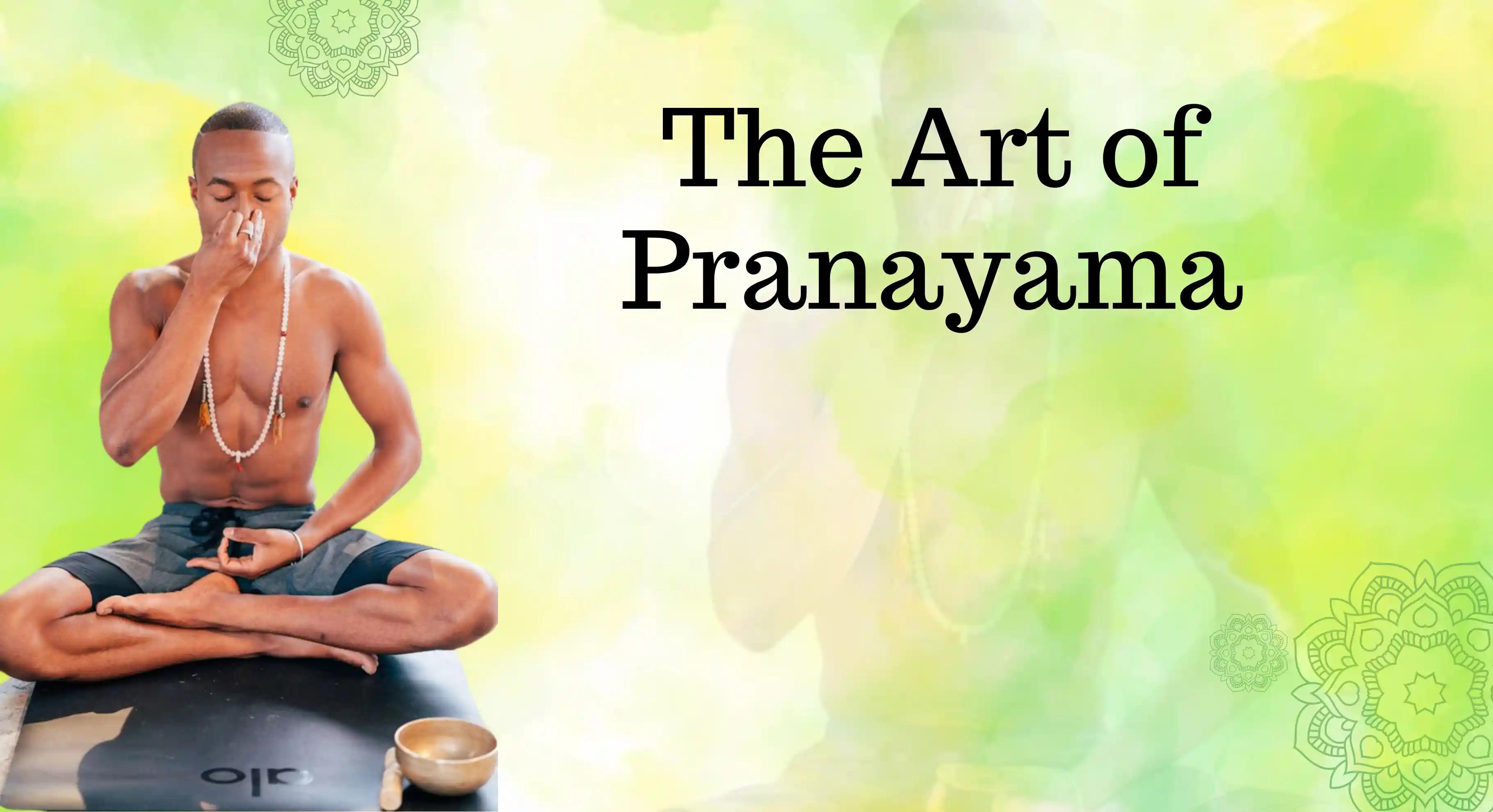
Understanding Prana:

Before we dive into the world of Pranayama, let's grasp the concept of "Prana." In Sanskrit, "Prana" translates to vital life force or energy. It's the invisible force that animates our bodies and keeps us alive. Think of Prana as the hidden engine that powers all life processes, from our physical functions to our mental and emotional states.


What is Pranayama?

Pranayama is a Sanskrit term that consists of two words: "Prana" (life force) and "Ayama" (control or regulation). Therefore, Pranayama is the art of controlling and regulating your breath to influence the flow of Prana within your body. It's like tapping into the power source that fuels your being.

The Breath-Prana Connection:

Your breath serves as the bridge between your physical body and the subtle energy of Prana. When you breathe mindfully and with intention, you're not just inhaling oxygen; you're also drawing in Prana. Conversely, when you're stressed or anxious, your breath becomes shallow and erratic, disrupting the flow of Prana and leading to physical and mental imbalances.

The Benefits of Pranayama:

Pranayama offers a multitude of benefits, and you don't need to be a seasoned yogi to experience them. Here's a breakdown of how this ancient practice can positively impact your life:

Stress Reduction:


Pranayama is a potent stress-buster. When you engage in deep, controlled breathing, it triggers your body's relaxation response. This leads to a reduction in the production of stress hormones, a drop in blood pressure, and a profound sense of calm and well-being.

Improved Lung Capacity:


Many Pranayama exercises involve deep, intentional breaths.This contributes to better lung function, which is exceptionally helpful for those dealing with respiratory ailments such as asthma or chronic obstructive pulmonary disease (COPD).

Enhanced Mental Clarity:


Consistent Pranayama practice oxygenates your brain, promoting mental focus and clarity. It's like giving your brain a refreshing boost of energy, sharpening your cognitive functions.

Emotional Balance:


Pranayama serves as a powerful tool for regulating emotions. By controlling your breath, you can calm your mind, reduce anxiety, and manage emotional fluctuations. It's an effective way to achieve emotional stability.

Increased Energy Levels:


Pranayama revitalizes your body by infusing it with Prana. As a result, you may experience increased vitality and higher energy levels. It's like a natural energy booster that doesn't involve caffeine or sugar.

Better Sleep:


Certain Pranayama practices, especially those designed for relaxation, can significantly improve the quality of your sleep. Engaging in deep, rhythmic breathing before bedtime calms your nervous system, setting the stage for a restful night's sleep.

How to Incorporate Pranayama into Your Life:

You don't need to carve out hours of your day for Pranayama practice. Here are some practical tips for integrating it into your daily routine:

Start Small:


If you're new to Pranayama, begin with simple techniques like deep abdominal breathing. As you become more comfortable, you can explore other practices.

Set a Schedule:


Make it a point to dedicate a specific daily period to your Pranayama practice. This could be in the early hours to provide energy for your day, or in the later hours to promote winding down and tranquility.

Consistency is Key:


Even just a few minutes of daily practice can yield significant benefits over time. Make Pranayama a consistent part of your routine.

Be Mindful:


When performing Pranayama, direct your full attention to your breath. Should your mind begin to stray, gently bring your awareness back to the physical sensation of breathing. This mindful approach significantly boosts the calming benefits derived from Pranayama.

Seek Guidance:


If you're unsure about which Pranayama techniques are suitable for you or how to get started, consider seeking guidance from a qualified yoga instructor or practitioner

Conclusion

In conclusion, Pranayama is a simple yet profound practice that can positively impact your physical, mental, and emotional well-being. By harnessing the power of your breath to regulate the flow of Prana within your body, you can reduce stress, improve lung capacity, enhance mental clarity, balance your emotions, increase your energy levels, and enjoy better sleep. Pranayama serves as a widely accessible practice that anyone can adopt, regardless of their age or physical capability, and it integrates effortlessly into your daily schedule. So, take a deep breath, explore the world of Pranayama, and let it become a source of balance and vitality in your life.

Philosophy

Mudras

Yoga TTC

Yoga Sutra

Bhagvat Geeta

Yoga Nidra

Philosophy

Mudras

Pranayama 7

In the art of yoga, the breath is not just an involuntary action; it's a pathway to transformation. The practice of pranayama – the science of breath control – opens the door to a world where the rhythm of inhalation and exhalation becomes a symphony of equilibrium. Join us as we embark on a journey to explore the diverse panorama of pranayama techniques, uncovering their unique melodies and the profound impact they have on body, mind, and soul. Discover the transformative power of pranayama and find your center amidst life's tumultuous rhythms.
Kapalbhati Pranayama: Illuminating the Inner Flame


As we venture into the realm of pranayama, Kapalbhati takes the spotlight. Known as the "skull shining" breath, Kapalbhati is a fiery technique that ignites the internal furnace. With each forceful exhalation, stagnant energy is expelled, paving the way for clarity and vitality. Just as a spark ignites a bonfire, Kapalbhati enkindles the inner flame, infusing practitioners with renewed energy and invigorated focus.

Bhastrika Pranayama: Harmonizing Life Force


Imagine a blacksmith's bellows – the inhales and exhales of Bhastrika mirror this rhythmic process of stoking the fire. This dynamic pranayama technique floods the body with oxygen, invigorating every cell and awakening the life force within. As the breath balances and vital energy harmonizes, practitioners experience a newfound sense of balance and vitality, akin to a harmonious dance of the elements within

Shitali Pranayama: Cooling Breath of Serenity


In the scorching heat of existence, Shitali pranayama emerges as a refreshing oasis. Through the act of drawing air across the tongue, this technique cools both body and mind, invoking a sense of tranquility. Just as a gentle breeze sweeps away the heat of the day, Shitali breath soothes the senses, restoring a sense of calm amidst life's fervor

Sheetkari Pranayama: The Hiss of Serenity


Sheetkari pranayama is a reminder that peace resides within even in the midst of chaos. As the breath is drawn in through the teeth, a gentle hissing sound emerges. This auditory element serves as a focal point, drawing the mind away from distractions and into the present moment. Like the lullaby of nature, Sheetkari lulls the mind into a state of serenity, allowing practitioners to rediscover their center

Ujjayi Pranayama: The Oceanic Whisper


Imagine the gentle whisper of waves caressing the shore – Ujjayi pranayama echoes this rhythm. As the breath is channeled through the back of the throat, a soothing sound reminiscent of the ocean emerges. Ujjayi breath anchors practitioners in the present, inviting a meditative state that embraces both tranquility and focus. Just as the tides are eternal, Ujjayi breath becomes a constant companion on the voyage within.

Bhramari Pranayama: The Song of the Bee


In the heart of pranayama lies Bhramari – the "bee breath." As the breath is exhaled while producing a humming sound, a deep resonance reverberates within. This vibrational technique echoes the hum of the universe itself, reminding practitioners of their interconnectedness with all life. Bhramari pranayama is a song of surrender, guiding individuals towards stillness, self-awareness, and unity.

As we conclude this exploration of pranayama's symphony, we extend an invitation to experience its harmonious melodies at Rishikul Yogshala. Nestled in the serene embrace of Rishikesh, our Yogshala provides a sanctuary for those seeking to deepen their pranayama practice. With experienced instructors as your guides, you'll embark on a journey that harmonizes body, breath, and spirit, unlocking the transformative potential of pranayama.

In a world that often pulls us into dissonance, pranayama is the conductor that orchestrates harmony within. It's an invitation to breathe consciously, to infuse each breath with intention, and to reconnect with the rhythm of life. As you stand on the threshold of your own pranayama journey, we invite you to join us at Rishikul Yogshala. Let the gentle guidance of pranayama lead you toward a life filled with balance, vitality, and a profound connection to the universe. The melody of transformation awaits – inhale, exhale, and step into a world of inner symphony.

Pranayama 8

Introduction

In our hectic lives, it's easy to overlook the importance of something as fundamental as our breath. Yet, in the ancient practice of yoga, the breath is considered the bridge between body and mind, a powerful tool for enhancing physical and mental well-being. Pranayama, the regulation of breath or life force (prana), is a key aspect of yoga that can have profound benefits for those who practice it regularly. This article will explore Pranayama, presented in straightforward language, to reveal how this practice can help us cultivate healthier and more balanced lives.
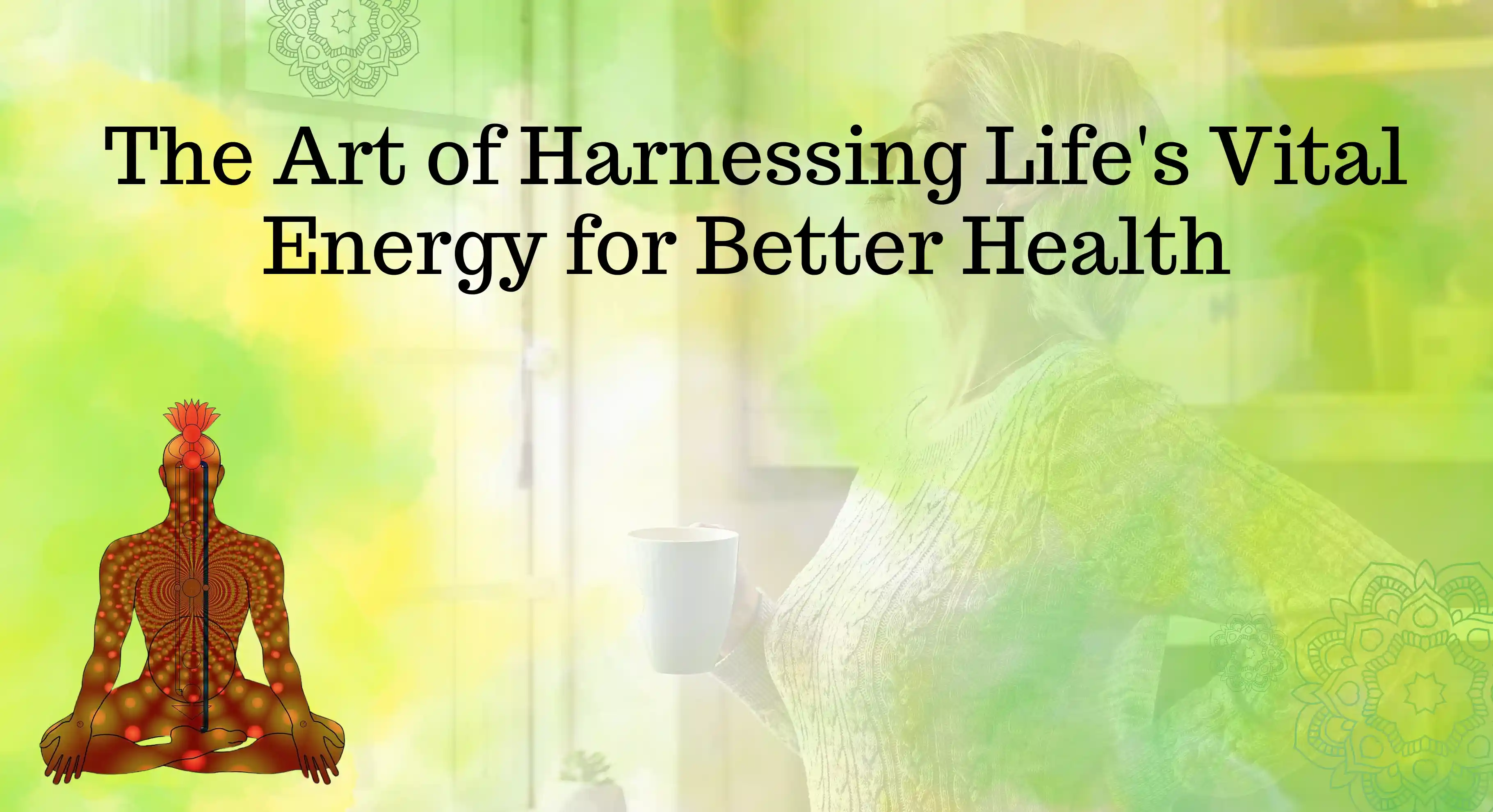
What is Pranayama?

Pranayama is a Sanskrit term that can be broken down into two parts: "prana," which means life force or vital energy, and "ayama," which means control or regulation. Therefore, Pranayama refers to the practice of controlling and regulating the breath to harness and optimize our life energy.
In yoga philosophy, prana is believed to flow through subtle energy channels (nadis) in the body. By working with the breath, we can influence this life force and promote physical, mental, and emotional well-being.

The Benefits of Pranayama: Beyond the Breath

The practice of Pranayama offers a range of benefits that extend well beyond improving your lung capacity. Here's how incorporating Pranayama into your daily life can enhance your overall well-being:

Stress Reduction


  1. Calms the Nervous System:Pranayama techniques, particularly slow and deep breaths, activate the parasympathetic nervous system, promoting relaxation and reducing the "fight or flight" response.
  2. Mindfulness: Pranayama encourages focused attention on the breath, which can help reduce racing thoughts and anxiety, leading to a more peaceful mind.

Enhanced Respiratory Health


  1. Improved Lung Function:Practicing deep and controlled breathing can strengthen the respiratory muscles and increase lung capacity.
  2. Cleanses the Respiratory System:Some Pranayama techniques, like Kapalabhati, help to expel stale air and toxins from the lungs, promoting respiratory health.

Better Circulation


  1. Increased Oxygenation:Deep and conscious breathing ensures that your body receives an adequate supply of oxygen, which is vital for all bodily functions.
  2. Enhanced Blood Flow:Proper oxygenation leads to better circulation, helping to nourish cells and remove waste products more efficiently.

Enhanced Mental Clarity and Focus


  1. Balanced Energy:Pranayama helps balance the flow of prana in the body, reducing mental fatigue and enhancing clarity of thought.
  2. Improved Concentration: Regular practice can enhance your ability to concentrate and make decisions with a calm and clear mind.

Emotional Well-being


  1. Stress and Anxiety Relief: Pranayama can help regulate emotions by calming the nervous system and reducing the production of stress hormones.
  2. Enhanced Emotional Resilience:Practicing Pranayama regularly can improve your ability to manage challenging emotions and maintain emotional balance.

Better Sleep


  1. Relaxation Response:Pranayama techniques can induce a relaxation response in the body, making it easier to fall asleep and enjoy more restful sleep.
  2. Stress Reduction:By reducing stress and anxiety, Pranayama can alleviate common sleep disturbances like insomnia.

Types of Pranayama: Simple Techniques for Better Health

Now that we understand the benefits, let's explore some straightforward Pranayama techniques that you can incorporate into your daily routine:

Deep Belly Breathing (Diaphragmatic Breathing)


  1. Technique:Sit or lie down in a comfortable position. Place one hand on your chest and the other on your abdomen. Breathe in deeply through your nose, allowing your diaphragm to expand. Exhale slowly through your mouth. Focus on making the hand on your abdomen rise and fall with each breath.
  2. Benefits:This basic technique helps you become more aware of your breath and encourages deep, relaxed breathing.

Ujjayi Breath (Victorious Breath)


  1. Technique:Sit comfortably and inhale deeply through your nose. Exhale through your nose while constricting the back of your throat, creating a gentle "haa" sound. Imagine you're trying to fog up a mirror.
  2. Benefits:Ujjayi breath calms the mind, warms the body, and helps develop concentration.

Nadi Shodhana (Alternate Nostril Breathing)


  1. Technique:Sit comfortably with your spine straight. Close your right nostril with your right thumb. Inhale slowly through your left nostril. Close your left nostril with your right ring finger, release your right nostril, and exhale through it. Inhale through your right nostril, close it, and release your left nostril to exhale. This completes one cycle. Continue for a few minutes.
  2. Benefits:Nadi Shodhana balances the flow of energy in the body, calms the mind, and enhances focus.

Kapalabhati (Skull-Shining Breath)


  1. Technique:Sit comfortably with your spine straight. Take a deep breath in, then forcefully exhale through your nose by contracting your abdomen. Inhalation should happen naturally as your abdomen relaxes. Start with a few rounds and gradually increase the pace.
  2. Benefits:Kapalabhati cleanses the respiratory system, increases oxygenation, and invigorates the body.

Incorporating Pranayama into Your Routine

To make Pranayama a part of your daily life, consider the following tips:

  1. Start Small:Begin with just a few minutes of Pranayama each day and gradually increase the duration as you become more comfortable
  2. Consistency:Regular practice is key. Set aside a specific time each day to practice Pranayama, whether it's in the morning, during a break, or before bedtime.
  3. Mindful Breathing:Throughout the day, remind yourself to take a few deep, mindful breaths. This can help you stay centered and reduce stress.
  4. Incorporate with Asana:Combine Pranayama with yoga poses for a more comprehensive practice that addresses both physical and mental well-being.

Conclusion

Pranayama, the regulation of breath and life force, offers a simple yet powerful way to enhance your physical and mental well-being. By incorporating Pranayama techniques into your daily routine, you can reduce stress, improve respiratory health, enhance mental clarity, and cultivate emotional balance. In a world filled with distractions and demands, Pranayama offers a path to better health and greater inner harmony, one breath at a time.

Philosophy

Mudras

Yoga TTC

Yoga Sutra

Bhagvat Geeta

Yoga Nidra

Philosophy

Mudras

Yoga TTC

Yoga Sutra

Pranayama 9

“Tasmin sati svasaprasvasayor-gativicchedah Pranayamah”

“Regulation of breath or the control of Prana is the stoppage of inhalation and exhalation, which follows after securing that steadiness of posture or seat.”

Diaphragmatic breathing serves as a foundational practice within pranayama, preparing individuals for yogic breathing, which is widely considered the most advanced and refined method of respiration. It is said that the yogis and newly born babies they do naturally diaphragmatic breathing.
“The newly born baby comes with the natural diaphragmatic breathinghabit.”

Due to this quality, babies are very happy, energetic, and observant; experience good deep sleep, good digestion, the power of attraction and the power of let go.
In the modern era, many individuals have inadvertently drifted away from natural, effective breathing, often adopting an inefficient pattern known as chest breathing. (Detail description is given below in the book). It has a huge negative impact on our health. Oxygen does not reach properly to the lungs which results into low lung capacity.Improper chest breathing can disrupt the body's natural respiratory process. This disruption frequently contributes to various physical ailments, such as circulatory issues, digestive problems, asthma, fluctuating blood pressure (whether low or high), chronic fatigue, and muscle stiffness.


What is Breath?

Your breath serves as a reliable indicator, reflecting both your emotional state and physical condition. It acts as the vital bridge connecting your physical being with your internal thought processes, often referred to as the mind. Your body is the tangible part of yourself, that which you can physically perceive, touch, and comprehend. Given this, how do your conscious thoughts and physical form interact and function together? There is a fundamental connection between these two aspects, identified as prana in Sanskrit. In English, we simply refer to it as breath.

“Life is breath and breath is life.”

Our breath serves as a crucial connection point, bridging the gap between our thoughts and our physical body.

The ceaseless rhythm of inhalation and exhalation vigilantly maintains the very essence of life. Just as breathing in becomes impossible without first breathing out, so too does exhaling depend entirely on a preceding inhalation. .

Your mind and your breath share an inseparable bond, functioning in close partnership. Consequently, by learning to control your breath, you are simultaneously exercising control over your mind.

Gaining conscious command over your mind is achieved through deliberate breath training, a practice that is well within your grasp. You can readily manage the often-wandering nature of your thoughts. Once you master this, you will develop profound trust in your methods and build unwavering self-assurance, paving the way for deeper personal growth. Although reaching these advanced stages requires sustained effort, remember that nothing truly stands as an insurmountable obstacle..

Two Types of Breathing – (Chest breathing v/s diaphragmaticbreathings):


Building on the foundation of a genuine interest in exploring breath from within, we can then begin to work with the irregularities of the breath.

  1. Irregularities caused by the mind: The body, breath, and mind are linked. If there are jerks, pauses, shallowness, and noisiness in the breath, they are beingcaused by the mind. The breath and body simply cannot operate withoutreceiving instructions from the mind. So, if the breath is irregular, it is becauseof the irregularities in the mind.
  2. Removing irregularities:However, you can consciously regulate the breath, so as to remove these irregularities. The major irregularities of breath are:
  • Jerks
  • Pauses
  • Shallowness
  • Noisiness
  1. Working with breath helps the mind:The beautiful thing is that, if you eliminate the irregularities from the physical breath, it has an extremely beneficial effect on the mind as well. When the breath becomes smooth, continuous (without pauses), slow, and quiet, the mind comes along, and also becomes calm and peaceful. The body also comes along, and relaxes much more easily
  2. Chest Breathing:Most people normally breathe from their chests, taking short, shallow, inefficient breaths. Chest breathing is the least efficient way to breathe and canlead to feelings of tension, anxiety and stress.
  3. Diaphragmatic breathing: Breathe with the diaphragm, allowing the ribs to slightly flare out to the sides, while the shoulders, upper chest and abdomen remain motionless.
    Where your inhalation and exhalation begin and end in your belly is a more efficient way of breathing, according to the American Medical Student Association.
    Diaphragmatic breathing helps increase your oxygen intake, promotes nutrient delivery, stimulates your relaxation response and improves blood flow and lymph circulation. Practice this simple technique any time you feel the need to calm down, relax and distress.
    It is important to note that modern medicine has finally acknowledged what the yogis have known for thousands of years that the breath is intimately connected to the autonomic nervous system and the mind. Even some hospitalsand medical establishments are now willing to train people in breath regulation and diaphragmatic breathing.
    When the diaphragm is used for breathing, there is no motion in the lower abdomen, and the upper chest remains still. To practice diaphragmatic breathing a few more times during the day is even more beneficial
  • Breathe smoothly, allowing no jerkiness or irregularities to disturb the steady flow.
  • Breathe slowly, but within your comfortable capacity, not straining or getting insufficient air.
  • Breathe at a comfortable depth; deeply, not shallow, but also not exaggerating the depth.
  • Allow breath to flow continuously, with no pause allowed between the breaths, either between inhalation and exhalation, or between exhalation and inhalation
  • Breathe evenly, so that exhalation and inhalation are of the same duration. Once that is comfortable, allow the exhalation to be twice as long as the inhalation during the practice time.

A significant reason many people find it difficult to master proper diaphragmatic breathing is their unfamiliarity with the diaphragm's precise location within the body

How diaphragmatic breathing works?

  1. On Inhalation:On inhalation the diaphragm contracts and moves down, as the ribcage (lower thoracic cage) expands slightly outward to the sides (laterally). As the diaphragm moves down with inhalation, the lower thoracic cage (chest) also moves forward, but only very slightly.
  2. Upper chest does not move:With diaphragmatic breathing the upper thoracic cage (chest) does NOT move either upward or outward. With proper diaphragmaticbreathing, the upper thoracic cage (chest) remains motionless. Some will say that the upper chest muscles move slightly, but this is not true; such motion is an indication of insufficient training and practice.
  3. Lower abdomen does not move:With diaphragmatic breathing the lower abdomen also does NOTmove outward. Many people teach that the abdomen moves outward, but that comes from abdominal breathing, NOT from properdiaphragmatic breathing.
  4. On Exhalation:On exhalation the diaphragm releases, and the lower thoracic cage (chest) naturally comes inward from the sides and front. Once again, there is no motion whatsoever in the upper thoracic cage (chest) or theabdomen when one is properly doing diaphragmatic breathing. With conscious, practiced diaphragmatic breathing, both the upper chestand the abdomen are still. Along with practicing steady, smooth breathing, without any pause between breaths, there comes a natural quieting of the mind and the nervous system.

Importance of Diaphragmatic Breathing:

Diaphragmatic Breathing leads to the below benefits:


It enhances the effectiveness of gas exchange, allowing oxygen and carbon dioxide to move more efficiently between the bloodstream and the air inhaled into the lungs.

It lowers the rate at which the heart beats and diminishes the strain placed upon it.

When you engage in diaphragmatic breathing, it boosts the negative pressure inside your chest. This mechanism significantly enhances the flow of venous blood back to the heart. Consequently, this action eases the workload on the heart and promotes more effective overall circulation throughout the body.

Improves coronary circulation

Lowers blood pressure

Increases volume inhaled with each breath and reduces thebreaths/minute (respiration rate)

Massages abdominal organs

Stimulates lymphatic circulation

Reduces sympathetic tone and increases parasympathetic tone

Body becomes relaxed, mind becomes calm and fatigue is reduced

Shallow, upper chest breathing is fundamentally linked to the body's fight-or-flight mechanism, a natural reaction that activates when danger is perceived or under conditions of significant stress. Reflecting the inherent connection between our respiration and our psychological well-being, this rapid, shallow breathing pattern tends to increase sympathetic nervous system activity, thereby exacerbating feelings of anxiety and unease. In contrast, deep abdominal breathing, also known as diaphragmatic breathing, offers substantial therapeutic benefits for alleviating anxiety states and restoring emotional equilibrium. By engaging in diaphragmatic respiration, parasympathetic tone is effectively enhanced, which in turn fosters a profoundly relaxed body and a serene mind.

Philosophy

Mudras

Yoga TTC

Yoga Sutra

Bhagvat Geeta

Yoga Nidra

Philosophy

Mudras

Yoga TTC

Yoga Sutra

Bhagvat Geeta

Yoga Nidra

Pranayama 10

What is Prana?

Prana encompasses the complete spectrum of energy that makes itself known across the universe. It also represents the aggregate of all natural forces. This fundamental force permeates every plane of existence, from the most sublime to the most rudimentary. Anything that moves, functions, or possesses life is merely a direct expression or manifestation of Prana. Even Akasa, often identified as the cosmic ether, is recognized as a manifestation of this pervasive energy.
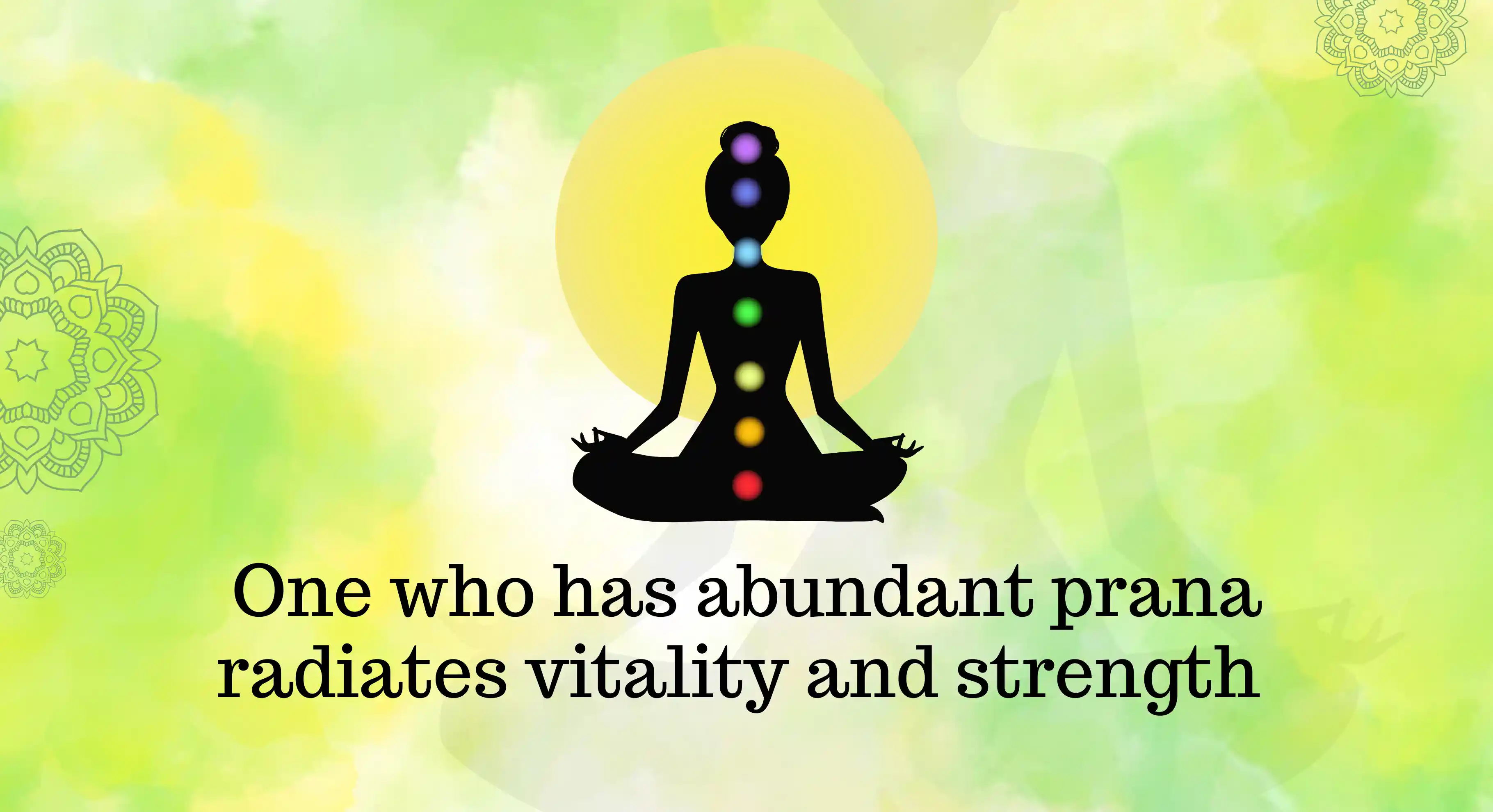
  • Prana is energy, vitality, power. Prana embodies the fundamental life energy and intrinsic essence that underpins all existence, saturating the entire cosmos. This vital force is inherently present in everything that manifests.
  • Furthermore, Prana serves as the fundamental link, interconnecting the physical world with both human consciousness and the mind. It is the indispensable foundation for all physical life.
  • Prana governs every bodily process, encompassing respiration, oxygen delivery, digestion, and waste removal, along with numerous other vital functions.
  • The human body operates akin to a transformer, drawing energy from the universal current of Prana, distributing it throughout the system, and subsequently releasing it.
  • When an individual or a space emanates a healthy, harmonious vibration, it is commonly remarked, "Good Prana resides here." Conversely, illness disrupts or obstructs the natural circulation of Prana. Cultivating the capacity to manage Prana allows us to achieve greater harmony and well-being, benefiting both our physical and mental states..

Prana is Energy:


Prana is understood as a boundless, all-encompassing energy that permeates and animates every form of matter. This immense energetic field then converges, forming the sub-atomic particles and atoms that constitute the foundational elements of everything manifest in the physical realm. Consequently, every single atom, molecule, and cell embodies an extension of prana, much like ocean waves are simply dynamic expressions of the vast body of water from which they emerge.

Prana is Life:

Prana represents the intrinsic energy that animates all living forms and drives their essential biological processes. Our physical body is underpinned by a subtle, or astral, body that is composed of this very prana. Traditional Eastern healing systems, including Ayurveda and acupuncture, are dedicated to harmonizing and enhancing the flow of this life force, which they variously term prana, chi, or ki. A proper and balanced circulation of this vital energy naturally culminates in a state of optimal health and robust vitality.

Prana is Breath:


Beyond its broader meaning, "prana" also commonly signifies the breath. Each physical inhalation sets in motion a concurrent flow of this life force within the subtle, or astral, spine. As we draw breath in, prana ascends through this ethereal channel; conversely, it descends upon exhalation.

The deep connection between breath and the circulation of prana is a foundational principle across numerous meditation disciplines.

We can perform a specific exercise that allows us to distinctly perceive Prana in our hands:

<
  • Raise the arms out to the sides of the body with palms facing to the front.
  • Keep the arms straight and move them in a half-circle to the front of the body, slowly bringing the palms towards each other. Remain completely relaxed, slowly reducing the distance between the hands.
  • As the palms become closer, you will be conscious of a growing sensation between the hands, or a feeling of pins and needles in the palms.
  • Bring the palms closer until the distance between them is only about 1 centimeter.
  • Now, due to the energy that streams from your hands, it feels asthough the hands are really being pulled towards each other. Prana causes this.
  • If you now move the hands apart again, you will feel pressure on the back of the hands, producing the opposite effect. This is also Prana, because Prana flows without hindrance throughout the entire body.
  • Prana, the vital life force, permeates the entire body through a vast network of channels known as Nadis. While sometimes referred to simply as nerves, Nadis are more accurately described as energetic pathways. The human body contains an estimated 72,000 such Nadis. Among this extensive system, three Nadis stand out as particularly significant.

    Ida, Pingla and Sushumna:


    • Ida, the “Moon System”, correlates with the left nostril and theParasympathetic Nervous System.
    • Pingla, the “Sun System”, correlates with the right nostril and theSympathetic Nervous System.
    • Sushumna, the “Central Nadi”, penetrates the spinal column and correlateswith the Central Nervous System.

    Panch Koshas:

    Kosha Means “Dimensions, Sheaths or Layers” and Maya means “Filled With”.

    Our inner being is comprised of five Koshas, which are distinct dimensions of our existence. Daily, we operate within or experience life through one of these fundamental layers.

    Example: While driving a vehicle, we need a coordinated effort. Applying thebrake, clutch and managing the gear along with the acceleration or deceleration needs the functions of multiple Koshas in tandem.

    There are five types of Koshas or dimensions which we oscillate within everyday:

    • Annamaya Kosha
    • Pranamaya Kosha
    • Manomaya Kosha
    • Vijnanamaya Kosha
    • Anandamaya Kosha

    (For detail information on Panch Kosha, Please refer the Philosophybook)

    Types of Prana:


    Pranamaya Kosha (the life force) is the Pranic sheath composed of Prana, thevital principle or the force that holds together the body and the mind.

    Its physical manifestation is the breath.Life endures as long as this essential principle remains active within living organisms.

    “Pranamaya Kosha is the energy in Annamaya Kosha”.

    Prana is an intrinsic element of the universal life force. Every single living creature and every physical thing in our world is interwoven with this vast cosmic existence. This vital energy, Prana, acts as the impetus for all forms of motion. Its presence is not exclusive to human beings, animals, herbs, trees, oceans, mountains, minerals, or bacteria. In fact, Prana permeates even the smallest part of an atom. Consequently, this profound energy exists in both observable and unobservable states.

    There are 5 main Pranas within the human body:

    1. Prana -Forward moving air. It moves in the upper part of the bodyfrom the top of the body to the navel.
    2. Apana -Air that moves away. It moves in the lower part of the trunkfrom Navel to the Mooladhara (Root Chakra).
    3. Samana -Equalizing air. It has its seat in the stomach.
    4. Vyana -Outward moving air. It is All-Pervasive.
    5. Udana -Upward moving air. It is the breath that rises, goes up, risingfrom the feet to the head.

    The interplay of the five Pranas functions much like an intricate mechanism. Sustaining optimal health and overall well-being is contingent upon ensuring these vital energies remain in equilibrium.

    “When one Prana becomes imbalanced, the others also tend to become imbalanced as well because they are all linked together”

    At a fundamental level, Prana and Udana, considered the vital energies responsible for energization, operate in direct contrast to Apana, the force associated with elimination. Likewise, Vyana, which embodies the principle of expansion, functions in opposition to Samana, which is linked to contraction.

    As we practice Yoga, the subtle aspects of these Pranas begin to awaken.

    Significance of Pranas - Physical Prana, Physic Prana and SpiritualPrana: Significance - Physical Prana:

    Physical Prana functions as the vital life force responsible for sustaining the physical body. It plays a crucial role in numerous processes, including digestion and assimilation.

    1. Prana:Concerned with inspiration and expiration of the universal Breath, with the diaphragm as its normal base of operation. It brings inthe fuel.
    2. Apana:engaged in the expulsion of what is not assimilated or not necessary in the system. It functions below the chest.
    3. Samana:is concerned with digestion of what is taken in and has its seat in the stomach. It converts fuel into energy. Prana and Apana meet together near the navel and create Samana. It regulates the interchange of these two forces at their meeting- place, equalizes them and is the most important agent in maintaining the equilibrium of the vital forces and their functions.
    4. Vyana:regulates both the Prana and the Apana and keeps them in harmony, the breath which sustains when Prana is held in abeyance as in actions requiring effort. It is all- pervasive, distributes the vital energies throughout the body
    5. Udana:: It governs the positive energy created and determines the work that the machine is able to do.

    Significance - Psychic Prana

    The life-energy that inherently aids and empowers the mind is known as Psychic Prana. Every fiber ofmentality is pervaded by psychic Prana

    1. Prana:Governs the intake of sensory impressions. It governs ourreceptivity to positive sources of nourishment, feeling and knowledge through the mind and senses. “When deranged it causes wrong desire and insatiable craving. We become misguided, misdirected and generally out of balance”
    2. Apana:Governs the elimination of toxic ideas and negative emotions. On a psychological level governs our ability to eliminate negative thoughts and emotions. “When deranged it causes depression and we get clogged up with undigested experience that weighs us down in life,making us fearful, suppressed and weak”.
    3. Samana:Governs mental digestion. It gives us nourishment, contentment and balance in the mind. “When deranged it brings aboutattachment and greed”. We cling to things and become possessive in our behaviour
    4. Vyana: Governs mental circulation. It gives us free movement and independence in the mind. “When deranged it causes isolation, hatred, and alienation”. We are unable to unite with others or remain connected in what we do.
    5. Udana: Governs positive mental energy, strength and enthusiasm. It gives us joy and enthusiasm and helps awaken our higher spiritual andcreative potentials. “When deranged it causes pride and arrogance”. We become ungrounded, trying to go to high and lose track of our roots.

    Significance - Spiritual Pranas:

    1. Prana:It is pre-eminently the breath of life, because it brings the universal Life-force into the physical system and gives it there to be distributed. It gives proper aspiration for our spiritual development.
    2. Apana:It is the breath of death for it gives away the vital force outof the body”.
    3. Samana:On a spiritual level, Samana governs the space within the heart (antar hridyakasha) in which the true Self, the consciousness dwells. Samana regulates fire with fuel, which must burn evenly.Without the peace and balance of Samana we cannot return to the core of our being or concentrate on the mind
    4. Vyana:Vyana governs the movement of Prana through the Nadis (energy channels), keeping them open, clear, clean and even in their functioning.
    5. Udana (upward):It moves upward from the navel to the crown of the head and is a regular channel of communication between the physical life and the consciousness. “The ancient science of Tantra sharesknowledge on channelling the energy within using the movement of Udana”. It governs our growth in consciousness and takes the mind into the state of sleep and into the after death realms. Udana also governs the movement up the Sushumna channel. Udana is often the most important Prana for spiritual growth.

    Types of Sub- Pranas

    1. Naga:Naga does eructation and hiccup – Burping Removes blockages of Prana and Apana and prevents gas formation inthe digestive system. Constant suppression of Naga can lead to Cardiac Arrhythmia. Other functions include triggering of the vomit reflex due to indigestion and dissolving blockages of Samana Prana.
    2. Kurma:Kurma performs the function of opening the eyes – Blinking This UpaPrana functions in the area of the eyes, controlling openingand closing of the eyelids. The energy of this Upa-Prana is activewhen we are awake and is revitalised when we sleep. Kurma protectsthe eyes from the penetration of dust and foreign bodies etc.Disturbance of this Upa-Prana causes uncontrolled blinking andtwitching of the eyelids. The practice of Trataka provides balance and strength to Kurma, as does the chanting of OM, placing warm palmsover the eyes and Asanas where the head is bent forward.
    3. Krikara: Krikara induces hunger and thirst – Sneezing Clears blockages in the respiratory system. Sneezing can also ease headache as it releases energy blockages in the head and neck. A sneeze should not be suppressed, as this may affect vertebrae in the cervical spine. In folk tales it is said that he who sneezes loudly and strongly, has a long life. Weak sneezes indicate weak vitality.
    4. Devadatta:Devadatta does Yawning The function of Devadatta is similar to that of Samana Prana. Yawning expels gas, reducing tiredness after eating. Certain foods such as grains, onions and garlic cause fatigue. Many Yogis only eat vegetables and some milk products in order to sustain their level of vitality and thereby reduce lethargy
    5. Dhananjaya:Causes decomposition of body after death – Opening and Closing of Heart Valves Dhananjaya resides close to the Heart. It influences the whole body and in particular the muscles of the heart by opening and closing the heart valves. Cardiac Arrhythmia and even Heart Attack may occur due to a serious disturbance of Dhananjaya.

Philosophy

Mudras

Yoga TTC

Yoga Sutra

Bhagvat Geeta

Yoga Nidra

Philosophy

Mudras

Yoga TTC

Yoga Sutra

Bhagvat Geeta

Yoga Nidra

Pranayama

Philosophy

Asana

Bhagvat Geeta

Yoga Nidra

Pranayama 11

The Sanskrit term kapal translate to 'cranium' or 'forehead' while bhati signifies 'light' or 'splendor' 'perception or 'knowledge'. Consequently Kapalbhati is a practice recognized for its ability to bring a state of illumination or mental clarity to the frontal region of the brain.
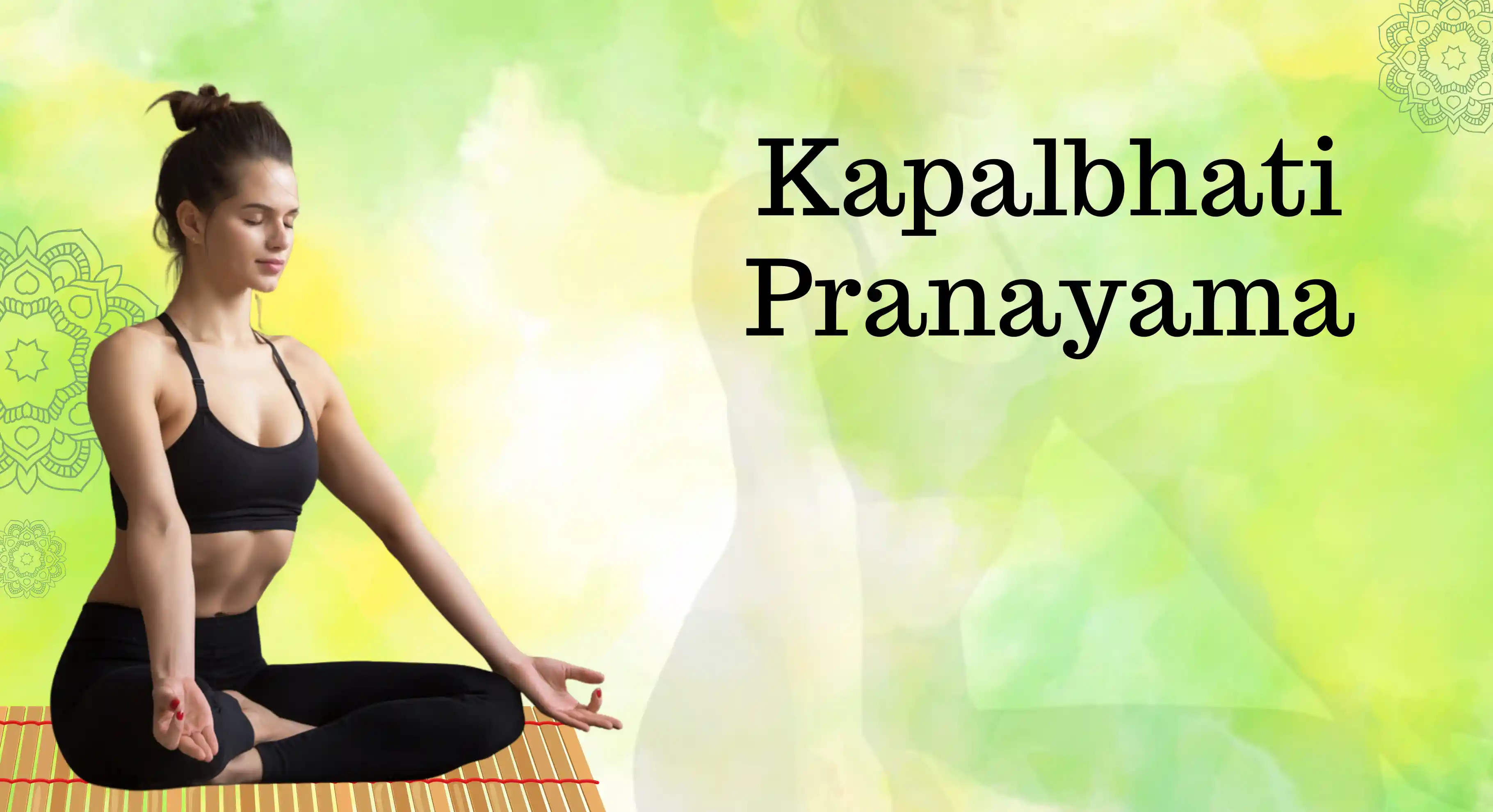
Practicing Kapalbhati Pranayama – Variation -1

  • Kapalbhati can be done standing or seating, both ways.
  • Close the eyes and relax the whole body.
  • Inhale deeply through both nostrils, expanding the abdomen, and exhale with a forceful contraction of the abdominal muscles. Do not strain.
  • The next inhalation takes place by passively allowing the abdominal muscles to expand. Inhalation should be spontaneous or passive recoil,involving no effort and exhalation will be done forcefully.
  • Initially can be done 3-5 times and then with practice gradually can beincreased.
  • This Variation is the most common and beginner level practice. In thisvariation of Kapalbhati practitioner may only strengthen one side of their brain.

Practicing Kapalbhati Pranayama – Variation – 2


  • In this variation, first check the active & passive nostril.
  • If right nostril is active then turn your head to right and do the Kapalbhati practice 5 times. Then 5 times in the center then left side 5 times and again 5 times in the center. And if left nostril is active then turn your head to left and do the Kapalbhati practice 5 times, then in center 5 times, right side 5 times and then again in the center 5 times.
  • After active side is done 5 times then perform it passive side also 5 times.
  • Starting from active side and finishing passive side will be one round.
  • If both the nostrils are balanced then you can choose any of nostril as active or passive.
  • Initially this can be done 3 round and slowly can be increased as per comfortability.

Practicing Kapalbhati Pranayama – Variation – 3


  • In this variation by using the Vishnu Mudra, close the active nostril and from passive perform Kapalbhati practice 5 times.
  • Then close the active and do the same from passive 5 times.
  • This is one round. Initially this can be done 3 round and slowly can beincreased as per comfortability.

Practicing Kapalbhati Pranayama – Variation – 4


  • In this variation by using the Vishnu Mudra, close the active nostril and perform Kapalbhati once from passive nostril. After this close the passive one and perform one time from active.
  • In this variation Kapalbhati is done only once from alternate nostril.

Practicing Kapalbhati Pranayama – Variation – 5


  • 5 th variation of Kapalbhati is done with the root lock practice. When the Kapalbhati practice is performed, energy is pumped towards the brain and perineum. More energy goes downwards from anus and genital. The aim of root lock in this variation is to retain the out flowing energy.
  • In Kapalbhati Pranayama balancing and activating both the brains are the most important aspect. If this practice is not done correctly then only one side of the brain will be active and one will always passive.
  • The last variation is the most advanced practice and must be done under the proper guidance.

The importance of sequence in Kapalbhati Pranayama

Kapalbhati should be practiced after asanas or neti and immediately before any meditation techniques. This activity may be undertaken at any hour of the day; however, it is essential to perform it solely on an empty stomach. This typically requires a waiting period of three to four hours after consuming a meal.

Precautions to be taken

Should you experience any pain or dizziness, immediately stop the activity and rest calmly for a while. Once that sensation has completely passed, you may resume the practice, but do so with greater awareness and less intensity. If the issue persists, it is advisable to consult a yoga teache.

Contra-indications of Kapalbhati Pranayama

Engaging in Kapalbhati is not advisable for individuals suffering from conditions such as heart disease, high blood pressure, vertigo, epilepsy, a prior stroke, a hernia, or a gastric ulcer.

Benefits of Kapalbhati Pranayama

  • Kapalbhati purifies ida and pingala nadis, and also removes sensory distractions from the mind.
  • It is used to energies the mind for mental work, to remove sleepiness and to prepare the mind for meditation.
  • It has a similar cleansing effect on the lungs to Bhastrika and is, therefore, a good practice for asthmatics and those suffering from emphysema, bronchitis and tuberculosis.
  • After a few months of proper preparation, it can be effective for women to use during childbirth.
  • It balances and strengthens the nervous system and tones the digestive organs.
  • For spiritual aspirants, this practice arrests thoughts and visions

Note to the practitioners

While Kapalbhati bears a resemblance to Bhastrika, they are fundamentally different practices. In Bhastrika, both inhalation and exhalation are performed with significant force, causing the lungs to expand and contract beyond their usual resting volume. Kapalbhati, however, operates differently. It involves a forceful, active exhalation that consciously reduces the amount of air in the lungs to a level below their typical resting state. Conversely, inhalation during Kapalbhati is a passive process, simply allowing the lungs to refill to their basic resting capacity. This particular method of breathing thus reverses the conventional respiratory cycle, which typically involves an active inhalation followed by a passive exhalation..

Philosophy

Mudras

Yoga TTC

Yoga Sutra

Bhagvat Geeta

Yoga Nidra

Philosophy

Mudras

Pranayama 12

Offcanvas top

ENQUIRY FORM

The initial weeks of training cover intensive information on more than 70+ asanas, instructions, correction techniques, breathing exercises, asana sessions, Yogic Philosophies, Meditation and the Yogic Lifestyle. Here is a highlight of the modules.

ENQUERY NOW
h